How Much Sunlight Do Puawhananga Need?
1
Puawhananga flourishes with approximately 3-6 hours of indirect sunlight each day.
2
Provide Puawhananga with morning sun for peak development.
3
Too much direct sun can burn Puawhananga's foliage.
Grasping Puawhananga's Light Requirements
Native Environment and Sun Exposure
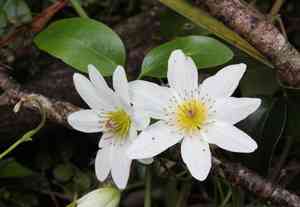
The Puawhananga, celebrated for its lovely, fragrant blooms, typically thrives in settings where it receives a moderate amount of sunlight. Hailing from regions with a balanced mix of sun and shade, Puawhananga is well-suited to partial sun conditions. This means it flourishes with approximately 3-6 hours of daily sunlight. In its natural habitat, it often spreads across trees, which provides the dappled light crucial for its development.
Ideal Sunlight Conditions
For Puawhananga to prosper, providing it with partial sunlight is key. Ideally, this plant should receive morning sun, which is less intense and offers the necessary light for photosynthesis without the harshness of midday rays. If positioned in an area with full afternoon sun, leaf scorching could occur. Therefore, aim for a spot where the plant gets early light and some shade during the day's hottest period.
Indicators of Excessive or Insufficient Sunlight
Observing your Puawhananga's appearance can reveal much about its light needs. If your plant is getting too much sun, you might notice scorched or brown-tipped leaves. Conversely, if the plant isn't receiving enough light, it may produce fewer flowers, and the foliage could become sparse and elongated. By adjusting its placement based on these signs, you can ensure your Puawhananga remains healthy and vibrant.
Optimal Practices for Puawhananga Sunlight Provision
Selecting the Appropriate Garden Location
Choosing the perfect spot in your garden is vital for your Puawhananga's light satisfaction. A location offering early morning sun and afternoon shade works best. If your garden has taller trees, consider planting Puawhananga at their base. The trees will naturally provide the dappled light conditions that mimic its native environment. Another option is to use a pergola or trellis to ensure the plant receives a balance of sun and shade throughout the day.
Seasonal Considerations
The amount of sunlight Puawhananga requires can fluctuate with the seasons. During spring and fall, when the sun is less intense, you might position the plant to receive more direct sunlight. However, in the hot summer months, it's better to increase the amount of shade. In winter, if the plant is dormant, light requirements are less critical, but ensuring it isn't completely neglected is still important.
Adjusting Indoor Sunlight Exposure
If cultivating Puawhananga indoors, replicate its natural sunlight conditions for optimal results. Place the plant near east-facing windows where it can receive ample morning light. If such placement isn't feasible, consider supplementing with grow lights to ensure the plant gets sufficient illumination. Additionally, rotate the plant regularly to ensure even light distribution and prevent one side from becoming leggy.
Common Errors to Avoid with Puawhananga Sunlight
Overexposure to Direct Sunlight
One of the biggest blunders is exposing Puawhananga to excessive direct sunlight. While this plant can endure full sun, overexposure, especially during hot summer afternoons, can cause leaves to scorch and turn brown. It's crucial to monitor the plant and adjust its position if you observe signs of sun damage.
Inadequate Light Leading to Poor Development
Conversely, too little light can be equally harmful. Insufficient sunlight often results in poor blooming and leggy growth, with the plant stretching towards any available light source. Ensure your Puawhananga receives the recommended 3-6 hours of light to prevent these issues.
Disregarding Seasonal Variations
Ignoring seasonal changes in sunlight can also affect Puawhananga. As the sun's intensity and angle shift with the seasons, so should the plant's care regimen. Always re-evaluate the plant's position and light exposure with the changing seasons to keep it thriving year-round.



