How Much Sunlight Do Anemone clematis Need?
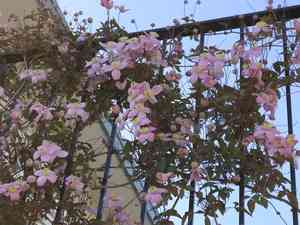
1
Anemone clematis flourishes with a minimum of 6 hours of direct sun each day.
2
It can withstand some partial shade, but ample sunlight encourages richer flower production.
3
Insufficient or excessive light levels may result in weaker development and reduced flowering.
Ideal Sunlight Requirements for Anemone clematis
Full Sun vs Partial Shade
Achieving the correct light exposure for Anemone clematis is vital. This plant flourishes best with full sun, necessitating at least 6 hours of direct sunlight daily. Nevertheless, it can also endure partial shade. Should your available space offer less than optimal light, your Anemone clematis will still grow, though you might observe fewer flowers and a less vigorous growth habit. In partial shade, aim for a minimum of 3-6 hours of sunlight.
Daily Light Requirements
For the healthiest development, your Anemone clematis needs a minimum of 6 hours of direct sun each day. Ideally, positioning your plant to receive morning sunlight will greatly aid its prosperity. This solar exposure is crucial for photosynthesis, which underpins growth and blooming. Remember, while Anemone clematis can adjust to various light conditions, consistent and sufficient sunlight will encourage more vibrant blooms and a generally healthier plant.
Optimal Locations for Cultivating Anemone clematis
Garden Placement
When integrating Anemone clematis into your garden, the choice of location significantly affects its vitality and flowering capability. Select a spot that receives full sun for the majority of the day, such as a south-facing wall or a sunny garden bed. Steer clear of areas with excessive shade from larger structures or trees, as limited sun can impede growth. Furthermore, planting against a fence or trellis can support the vine and increase its sun exposure.
Growing Indoors
While Anemone clematis is typically grown outdoors, it can also be successfully cultivated indoors with proper care. Ensure your plant is positioned near a bright window where it can access ample light. South-facing windows are perfect as they provide the most light throughout the day. If natural light is inadequate, consider supplementing with artificial grow lights. Bear in mind that indoor environments may demand more attention to light needs to replicate the full sun conditions Anemone clematis favors.
Seasonal Sunlight Considerations for Anemone clematis
Spring and Summer
During spring and summer, Anemone clematis requires abundant sunlight to support its growth and blooming phases. As days lengthen, situating your plant in full sun allows it to effectively utilize the extended daylight hours. This period is critical for robust growth, so ensure it remains in an ideal location with sufficient light. Regularly verify that nearby plants or structures aren't casting excessive shade as seasons progress.
Fall and Winter
In autumn and winter, sunlight intensity and duration diminish, which can impact your Anemone clematis. Although the plant's growth decelerates during these months, it's vital to maximize available light. If growing outdoors, preventing fallen leaves or snow from accumulating around the plant ensures it receives as much winter sun as possible. For indoor plants, placing them in the brightest spot and supplementing with artificial light can help maintain health during darker periods.
Indicators of Over or Under-Exposure to Sunlight for Anemone clematis
Symptoms of Sunlight Deficiency
A primary sign that your Anemone clematis is not getting enough sunlight is stunted development or reduced flowering. Leaves may appear pale or yellowed because the plant isn't photosynthesizing sufficiently to support vibrant, healthy foliage. Scant blooms and elongated, leggy growth, where the plant seems to reach for light, are clear indicators.
Symptoms of Excess Sunlight
Conversely, too much direct sunlight can result in leaf scorch, identifiable by brown, crispy leaf edges. Prolonged exposure to intense midday sun without adequate hydration can also lead to wilting and stress. Observing these signs suggests it's time to re-evaluate the plant's location or enhance watering practices.
How to Adjust Sunlight Exposure
Adjusting sunlight exposure involves strategically relocating your plant. If it lacks sunlight, consider moving it to a brighter position, either by replanting it in the garden or repositioning a potted specimen. For excessive sunlight, providing some shade during peak hours, such as using a shade cloth or moving it to a slightly shaded area, can help. Proper placement adjustments ensure your Anemone clematis receives the optimal amount of sunlight for thriving growth.
Strategies for Maximizing Sunlight Efficiency for Anemone clematis
Using Reflective Materials
Boost sunlight efficiency by incorporating reflective surfaces in your garden. Placing materials like mirrors or white walls behind the plant can bounce additional light onto it. This technique is particularly beneficial in partially shaded zones, ensuring the plant receives indirect light and makes the most of available sunshine.
Pruning for Better Light Penetration
Regular pruning aids in improving light penetration through the foliage of your Anemone clematis. By trimming back overgrown or dense areas, you enable sunlight to reach deeper parts of the plant. This practice not only promotes better exposure but also enhances air circulation and overall plant vitality. Always use clean and sharp pruning tools to prevent plant damage.



