How Much Sunlight Do Hardy orange Need?
1
For robust development, a Hardy orange requires a minimum of 6 hours of unblocked sun exposure each day.
2
Hardy oranges can endure some filtered light, particularly to avoid intense midday heat.
3
Sufficient light exposure improves the plant's capacity for bearing fruit and its resilience to illnesses.
Optimal Light Requirements for Hardy Orange
Full Sun for Best Development
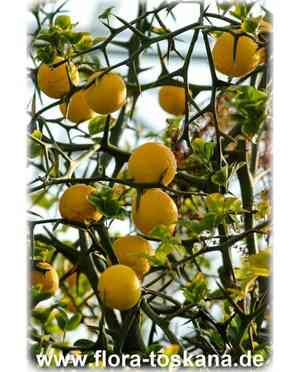
For a Hardy orange to truly flourish, full sun exposure is vital. This plant needs a minimum of 6 hours of direct sunlight daily to support vigorous growth and yield fruit. Ideally, positioning your Hardy orange to receive morning sun will give it an excellent start each day. Ample sun exposure aids in developing sturdy branches and healthy leaves, both essential for bearing the weight of its fruit.
Partial Shade Acceptable
Although full sun is preferable, Hardy orange can cope with partial shade, particularly during the most intense midday hours. If your plant receives between 3 to 6 hours of direct sun and is protected during the hottest part of the day, it will still perform well. However, consistent light is critical; too much shade can result in sparse growth and reduced fruit yield.
Ensuring Sufficient Light for Hardy Orange
Selecting the Correct Placement
Choosing the ideal location for your Hardy orange is crucial to guarantee it receives sufficient sunlight. Aim for a spot facing south or southeast where it can bask in uninterrupted morning sun. Steer clear of areas overshadowed by taller trees or structures that might cast long shadows during key sunlight hours.
Seasonal Light Adjustments
Be mindful of seasonal shifts, as the sun's angle and duration can change. During winter, the sun sits lower, potentially creating longer shadows. Consider moving your potted Hardy orange to a brighter area or utilizing reflective materials to boost available light. Trimming nearby vegetation can also help ensure your plant gets maximum light all year long.
Common Light Problems and Solutions for Hardy Orange
Signs of Sun Damage or Overexposure
Even sun-loving plants like Hardy orange can suffer from excessive sunlight. Look for indications of sunburn such as yellowing leaves with dry, brittle edges. If these symptoms appear, consider providing some shade during peak sun hours, especially in extremely hot climates.
Detecting Insufficient Light
If your Hardy orange isn't getting enough light, it will show signs like thin foliage, stretched stems (etiolation), and poor or no fruit production. If these issues are present, re-evaluate its location and relocate it to a sunnier spot. Supplemental artificial lighting can also be a solution, particularly for plants grown indoors.
Adapting to Indoor Environments
When cultivating Hardy orange indoors, placing it near the brightest window is essential. South-facing windows typically offer the most intense light. Additionally, rotating the plant regularly will ensure even light distribution, preventing one side from becoming leggy or underdeveloped.
Advantages of Proper Sunlight for Hardy Orange
Increased Fruit Yield
A primary benefit of adequate sunlight is abundant fruit production. Hardy orange plants that get sufficient light will produce more fruits, with enhanced flavor and size. Proper sunlight is vital for photosynthesis, the process that fuels the plant's growth and energy reserves for fruiting.
Improved Disease Resistance
Plants receiving optimal sunlight are generally healthier and more resilient against diseases. Sufficient light bolsters the plant's immune responses, lowering its susceptibility to common plant issues like fungal infections and pest infestations. A vigorous, sun-exposed Hardy orange will have robust leaves and strong branches, making it more resistant to environmental stressors.
Overall Plant Vitality
Appropriate sunlight contributes to the general vigor and strength of the Hardy orange. Sufficient light ensures efficient photosynthetic activity, leading to faster growth rates, deeper green foliage, and stronger root systems. This overall hardiness helps the plant withstand varying weather conditions and makes it a striking addition to any garden or landscape.



