How Much Sunlight Do Kumquat Need?
1
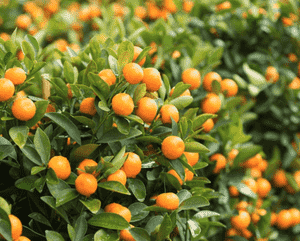
For optimal health, Kumquat trees require 6-8 hours of direct sunlight daily.
2
Insufficient light for a Kumquat can lead to yellowing leaves and reduced fruit yield.
3
In winter months, use supplemental grow lights if natural light levels are too low.
The Critical Role of Sunlight in Kumquat Development
Photosynthesis and Energy Generation
Sunlight serves as the primary energy source for photosynthesis, the process through which Kumquat trees transform light into chemical energy. This energy is vital for growth, maturation, and maintaining overall plant vitality. Lacking sufficient sunlight, your Kumquat will struggle to flourish, leading to stunted development and poor foliage quality.
Effect on Fruit Yield
Sufficient sunlight not only supports the growth of a Kumquat tree but also significantly influences its fruit production. Sunlight aids in the formation of flowers, which subsequently develop into fruit. Insufficient sunlight can lead to fewer blossoms and, consequently, less fruit. For those aiming for a generous harvest, ensuring your Kumquat receives ample sunlight is crucial.
Strengthening Plant Defenses
Healthy Kumquat trees exhibit greater resistance to pests and diseases, and sunlight plays a key role in boosting their immunity. Adequate sunlight strengthens plant cell walls and promotes the creation of phytoalexins, natural compounds that act as a defense mechanism against pathogens. A well-illuminated Kumquat tree is typically more resilient and less susceptible to infections.
Optimal Light Conditions for Kumquat Trees
Ideal Daily Sun Hours
Kumquat trees thrive when they receive full sun exposure for six to eight hours each day. If cultivating your Kumquat indoors, position it near a south-facing window to maximize its light intake. If outdoors, ensure no large structures or trees obstruct the light for the majority of the day.
Prime Locations for Maximum Sun Exposure
The placement of your Kumquat tree can significantly affect its health and productivity. For outdoor Kumquats, select an area with direct, unfiltered sunlight. If space is limited, consider housing the tree in a mobile container so you can relocate it to brighter spots as necessary. Indoor plants should ideally be situated close to the brightest window in your home to fulfill their light requirements.
Recognizing Insufficient Sunlight in Kumquat Plants
Typical Indicators of Low Light Stress
When a Kumquat does not receive enough sunlight, it begins to exhibit symptoms such as yellowing leaves, elongated stems, and diminished fruit production. The plant may also appear droopy, and you might observe that new leaves grow smaller than usual. Early detection of these signs is vital for taking corrective action.
Remedial Actions to Improve Light Exposure
If your Kumquat is not receiving adequate sunlight, the initial step is to move it to a brighter location. For potted plants, this could mean relocating them closer to a window or outdoors. For outdoor trees, pruning overhanging branches that may be casting shadows can be beneficial. Additionally, you can utilize reflectors to direct more light onto the plant.
Managing Excessive Sunlight for Kumquat
Signs of Sunburn and Heat Damage
While Kumquat trees adore the sun, too much direct sunlight can result in sunburn or heat stress, particularly in extremely hot climates. Indicators of excessive sun exposure include browning or curling leaves, scorched leaf edges, and fruit sunscald. It's crucial to monitor your tree during extended periods of intense heat.
Preventive Measures for Protecting Kumquat
To safeguard your Kumquat from excessive sun, consider providing partial shade during the hottest parts of the day. This can be accomplished using shade cloths or strategically placing other potted plants nearby to cast a gentle shadow. Mulching can also aid in regulating soil temperature and retaining moisture, keeping the roots cool and hydrated.
Seasonal Sunlight Changes and Kumquat
Adjusting Light Exposure Throughout the Year
Seasonal shifts influence the amount of sunlight your Kumquat tree receives. During summer, the sun is at its highest point and provides the most light. In contrast, winter brings shorter days and weaker sunlight. To compensate, you may need to move your tree to sunnier locations or adjust its orientation throughout the year to ensure it continues to thrive.
Using Grow Lights During Colder Months
Winter months can pose a significant challenge for maintaining adequate sunlight exposure for your Kumquat. Employing grow lights can be an excellent solution. These lights emulate natural sunlight and are especially valuable for indoor trees or those in regions with prolonged, overcast winters. Set the grow lights to deliver approximately 6-8 hours of light daily to ensure your tree remains healthy.



