How Much Sunlight Do Vetivergrass Need?
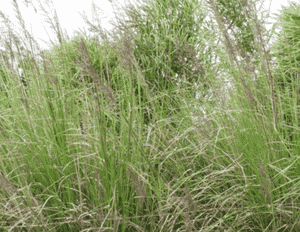
1
Vetivergrass flourishes with ample sun exposure, requiring a minimum of six hours of unfiltered daylight each day.
2
While it endures some shade, extended periods of insufficient light may impede its development.
3
Strategic placement and seasonal adaptations are key to guaranteeing ideal solar radiation for Vetivergrass.
Ideal Light Conditions for Vetivergrass
Requirements for Full Sun
Vetivergrass thrives best when receiving at least six hours of direct sunlight daily. This level of exposure is vital for efficient photosynthesis, which promotes strong development and vibrant green foliage. Full sun encourages not only lush growth but also the formation of a robust and deep root system, crucial for its role in preventing erosion and stabilizing soil.
Tolerance for Partial Sun
While full sun is preferred, Vetivergrass can endure conditions with partial sunlight. If direct sun exposure is limited to three to six hours per day, the plant can survive but might not achieve its full growth potential. Reduced light can lead to slower development and less vigorous foliage. However, partial sun exposure is still adequate for basic plant health and survival.
Ensuring Adequate Sun Exposure
Placing Vetivergrass in Your Garden
To guarantee Vetivergrass gets sufficient sunlight, position it in the brightest area of your garden. Select spots that are unshaded by structures like buildings, fences, or taller flora. South-facing locations are generally best in the Northern Hemisphere, as they receive the most sun throughout the day. Proper plant spacing also prevents self-shading, maximizing direct sunlight exposure.
Considering Seasonal and Regional Factors
Sunlight availability fluctuates with the seasons and geographical region. During summer, Vetivergrass benefits from abundant sunlight, leading to its peak growth. In winter or less sunny climates, it may not receive the full six hours of direct light. In such cases, evaluating garden microclimates and potentially utilizing reflective surfaces to boost light exposure can be beneficial.
Indicators of Inappropriate Sunlight
Symptoms of Insufficient Sunlight
When Vetivergrass lacks adequate sunlight, it typically displays specific signs. These can include yellowing leaves, stunted development, and a general lack of vitality. The plant may also become leggy, with elongated stems reaching for any available light. Promptly addressing these indicators by repositioning the plant or adjusting its environment is crucial for its well-being.
Impacts of Excessive Sunlight
Although Vetivergrass favors sunlight, too much exposure, especially in extremely hot climates, can cause issues like leaf scorch or wilting. High temperatures combined with intense sun and dry conditions can be particularly stressful for the plant. In these situations, providing some afternoon shade or ensuring sufficient water can help mitigate the adverse effects of excessive sun.
Adjusting Sunlight for Thriving Vetivergrass
Using Shade Cloths or Protective Measures
To shield Vetivergrass from intense sunlight and heat, shade nets offer an effective solution. These nets can lessen the severity of direct sun without entirely blocking the plant's light intake. They are especially useful during peak summer months when solar intensity is highest. Alternatively, planting Vetivergrass near taller plants that provide intermittent shade during the hottest parts of the day is a practical approach.
Relocating for Better Sunlight
If Vetivergrass consistently receives insufficient sunlight in its current spot, consider moving it to a sunnier location. The best time for transplanting is during cooler periods of the day to minimize shock. Ensure the new site meets light requirements and prepare the soil thoroughly to support the plant's growth. This ensures optimal conditions for healthy development and overall plant resilience.



