How Much Sunlight Do White fringetree Need?
1
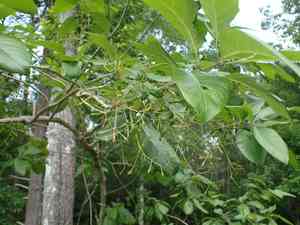
White fringetree flourishes with more than 6 hours of direct sun each day.
2
It endures some shade, particularly in warmer regions.
3
Correct positioning in your landscape is crucial for peak development.
Optimal Light Conditions for White Fringetree
Full Sun
For the White fringetree, full sun means getting direct sunlight for at least six hours daily. This is ideal for abundant blooms and strong growth. In full sun, the White fringetree tends to produce more striking and plentiful white flowers, enhancing your garden's beauty. Ensure it receives ample morning sun, which is typically less intense than afternoon sun, helping prevent leaf burn.
Partial Shade
While the White fringetree prefers full sunlight, it's quite adaptable and can also thrive in partial shade. Partial shade means the plant should get at least 3-6 hours of direct sunlight, usually in the morning or late afternoon, avoiding the intense midday sun. In very hot summer regions, partial shade can protect the plant from excessive heat stress and reduce soil moisture loss.
Factors Affecting Light Needs
Several elements can influence the amount of sunlight your White fringetree requires, including the local climate, the tree's age, and its overall vitality. Younger trees, for instance, might adapt better to partial shade as their root systems develop. Similarly, in areas prone to extended cloudy periods, ensuring the tree has unobstructed access to any available sunlight becomes crucial. Consider nearby structures, other trees, and reflective surfaces that might amplify light or create unexpected shade.
Adjusting to Various Environments
Urban Settings
In city environments, finding the perfect spot for your White fringetree may require some ingenuity. Look for areas with minimal building shade and reflective surfaces that could intensify light exposure. Rooftop gardens or urban parks are often excellent due to better light access. Remember to assess sunlight across different seasons as cityscapes can cast varying shadows with changing sun angles.
Rural Areas
Rural living offers a great chance for ample sunlight exposure, but it's important to be mindful of natural obstacles like hills, dense forests, or large farm buildings. Place your White fringetree in an open area where it won't be overshadowed and can receive full sun most of the day. You can also benefit from lower pollution levels, which can improve sunlight quality and overall plant health.
Garden Placement
When positioning a White fringetree in your garden, select a site with well-draining soil and good exposure to morning sun. Observing the light patterns in your garden throughout the day can help in choosing the best spot. Ensure other plants or structures do not cast shadows that could limit the tree's sunlight, especially during its early growth stages. Consider using a garden mirror or light-colored materials to reflect sunlight towards your tree if direct access is limited.
Signs of Insufficient Sunlight in White Fringetree
Poor Flowering
A common indicator that your White fringetree isn't getting enough sunlight is a decrease in its blooming performance. If the tree produces fewer flowers than usual or if the blossoms appear sparse and less vibrant, it might be due to inadequate sun exposure. Try to move the tree or prune nearby vegetation to allow more light to reach it.
Leaf Discoloration
Leaves turning yellow or pale green can also signal insufficient sunlight. While some leaf discoloration can result from nutrient deficiencies or watering issues, consistent low light exposure is a frequent cause. If you notice these symptoms along with other potential light problems, consider adjusting the tree's light conditions accordingly.
Stunted Growth
Slow or inhibited growth is another warning sign that your White fringetree isn't receiving the sunlight it requires. This can manifest as smaller leaves, shorter branches, and an overall lack of vigor. Increased sunlight exposure can often resolve this growth issue, promoting healthier and more robust development.
Maximizing Sunlight Exposure for White Fringetree
Pruning for Light Penetration
Pruning is an effective method to ensure your White fringetree gets sufficient sunlight. By removing dead or overcrowded branches, you can improve light penetration and air circulation within the tree's canopy. Pruning should be done during the dormant season, typically late winter or early spring, to encourage new growth and flowering.
Strategic Placement
Placing your White fringetree in an optimal location within your garden can make a significant difference. Choose spots that receive consistent sunlight throughout the day and avoid placing the tree in low-lying areas where shadows from buildings or larger plants might intrude. Regularly monitoring the site across different seasons can help you maintain the correct light balance.
Seasonal Adjustments
Seasonal changes can affect the amount of sunlight your tree receives. During winter months, when the sun is lower in the sky, previously sunny spots may become shaded. Consider temporary adjustments like installing reflective materials to direct more sunlight towards your White fringetree or gently reorienting potted trees. Staying flexible with seasonal light shifts will help maintain your tree's health year-round.



