How Much Sunlight Do Greater celandine Need?
1
Greater celandine flourishes optimally with partial sunlight, receiving approximately 3-6 hours of direct light each day.
2
Although it can endure full sun exposure, Greater celandine favors some protection from the afternoon sun.
3
Inadequate light levels may lead to stunted development and diminished bloom production for Greater celandine.
The Importance of Sunlight for Greater Celandine
Photosynthesis and Plant Vitality
Sunlight serves as the primary energy source for all plants, including Greater celandine. Through photosynthesis, plants convert light energy into chemical energy, vital for their development and survival. Insufficient light can result in weak foliage, stunted development, and a general decline in plant health.
Growth and Bloom Requirements
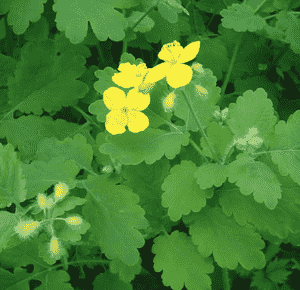
Greater celandine benefits from ample sunlight, which encourages vigorous growth and abundant blooms. The bright yellow flowers of Greater celandine are most plentiful when the plant receives appropriate light. Without adequate sunlight, the plant may produce fewer flowers, impacting its aesthetic value.
Optimal Sunlight Conditions for Greater Celandine
Full Sun vs. Partial Shade: Best Practices
Greater celandine can endure full sun and complete shade, but it flourishes best in partial sun conditions. This means the plant should receive approximately 3-6 hours of direct sunlight daily, ideally during the morning to avoid intense afternoon heat.
Daily Sunlight Exposure Duration
For peak growth, Greater celandine should be exposed to sunlight for roughly 3-6 hours each day. This duration ensures the plant gets sufficient light for photosynthesis and flowering without being overstressed by strong, prolonged sunlight.
Impacts of Insufficient or Excessive Sunlight on Greater Celandine
Indicators of Sunlight Deficiency
When Greater celandine doesn't receive enough sunlight, the plant may show signs such as leggy, weak stems, pale or yellowing leaves, and a general lack of vigor. Flowering may also be sparse or absent, reducing the plant's visual appeal.
Symptoms of Too Much Sunlight
Excessive sunlight, particularly in hot climates, can cause Greater celandine to suffer from sunscald, where leaves appear scorched and dry. Extended exposure to intense sunlight can also stress the plant, leading to wilting and reduced blooming.
Strategies to Optimize Sunlight Exposure for Greater Celandine
Selecting the Appropriate Location
Choose a planting spot that provides Greater celandine with morning sunlight and afternoon shade. This balance helps shield the plant from the harsh midday sun while ensuring it receives enough light for healthy development.
Utilizing Shade Cloths and Other Techniques
If your garden is exposed to strong, direct sunlight for most of the day, consider employing shade cloths or other shading methods to protect your Greater celandine. These tools can help diffuse the light, preventing sunscald and overheating, while still allowing enough light for the plant to thrive.



