How Much Sunlight Do European fan palm Need?
1
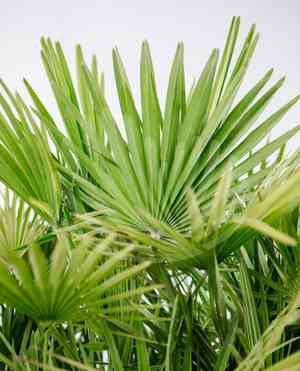
European fan palm flourishes optimally with a minimum of 6 hours of direct sun daily.
2
Although it can endure some shade, insufficient light may impede the plant's development.
3
Consistent observation of light conditions aids in maintaining peak health for your European fan palm.
Optimal Light Conditions for European fan palm
Full Sun Needs
The European fan palm thrives best with ample direct sunlight. It requires a minimum of 6 hours of direct sun exposure daily. For gardeners in the U.S., positioning it facing south will guarantee abundant light. This resilient plant benefits from extensive sun exposure, fostering strong development and vibrant foliage. When grown outdoors, ensure it's situated to receive sun for most of the day.
Partial Shade Adaptability
While full sun is preferred, the European fan palm can also endure partial shade. This means it can tolerate approximately 3 to 6 hours of sunlight daily. This flexibility allows for placement in somewhat shaded areas, particularly in regions with intense midday sun. However, for peak growth and vitality, greater sun exposure is generally more advantageous.
Impact of Insufficient Light
Lack of adequate sunlight can negatively affect your European fan palm. When deprived of necessary light, the plant may show slower development and lighter-colored leaves. Over time, it might become elongated, with sparse fronds, as it stretches toward light sources. Providing proper sunlight prevents these issues, keeping it robust and lush.
Monitoring Light Exposure for European fan palm
Determining Best Location
To identify the prime spot for your European fan palm, consider the sun's trajectory and any potential obstructions. A good starting point is placing your palm in an area with direct southern exposure. If kept indoors, position it near a window that receives ample sunlight, free from large trees or buildings.
Utilizing Light Measurement Devices
A light meter can be a useful tool to ensure your European fan palm receives appropriate sunlight. These instruments gauge light intensity, providing precise readings of the light your plant is getting. By using a light meter, you can adjust the plant's position as needed to effectively meet its light requirements.
Indicators of Excessive or Insufficient Light
It's vital to recognize signs that your European fan palm is getting too much or too little sunlight. Overexposure can lead to scorched or browned leaves, while inadequate light often results in stunted growth and pale, dull fronds. Regularly inspect your plant for these symptoms to make timely adjustments, ensuring its optimal health and development.
Enhancing Light for Indoor European fan palm
Use of Supplemental Lighting
If natural light is insufficient, especially indoors, supplementing with grow lights can benefit your European fan palm. Full-spectrum grow lights mimic natural sunlight, promoting healthy growth. Position the grow light close to the plant and ensure it operates for the same duration as natural daylight, approximately 6 to 8 hours daily.
Optimal Window Placement
Properly positioning your European fan palm near windows is crucial for ensuring sufficient indoor light. East or south-facing windows are typically ideal, offering abundant natural light throughout the day. Remember to rotate the plant occasionally to ensure even light distribution on all sides.
Avoiding UV-Blocking Window Panes
Some modern window panes are designed to block UV rays, which can impede the plant's ability to photosynthesize effectively. If you observe a decline in your indoor European fan palm's health, consider using windows that permit natural UV light or adding UV-permeable films to existing windows to improve light penetration.



