How Much Sunlight Do Sawara cypress Need?
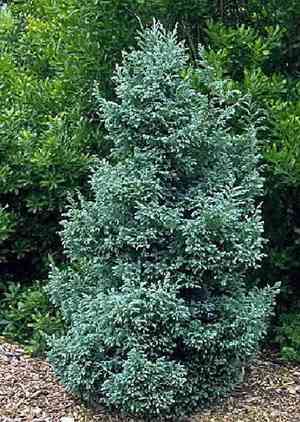
1
For optimal growth, Sawara cypress requires at least six hours of direct sun each day.
2
Sawara cypress can withstand periods of partial shade, particularly when temperatures are high.
3
Adjusting care routines with the seasons will significantly improve your Sawara cypress's vitality and development.
Optimal Light Requirements for Sawara Cypress
Full Sun Necessities
The Sawara cypress, a cherished conifer among cultivators, flourishes best in environments with full sun. This means the plant should receive at least six hours of direct solar exposure daily. Abundant light enhances photosynthesis, leading to robust development, dense greenery, and vibrant hues. For peak vitality, position your Sawara cypress where it can absorb ample sunlight, especially during the early morning and late afternoon hours.
Partial Shade Adaptability
While the Sawara cypress prefers full sun, it can withstand partial shade. This adaptability makes it suitable for diverse garden settings. Partial shade implies the plant gets three to six hours of sunlight, or filtered light throughout the day. In particularly hot or arid climates, partial shade might even be advantageous to shield the Sawara cypress from intense midday solar radiation, which can be detrimental to the plant.
Selecting the Optimal Location for Your Sawara Cypress
Evaluating Solar Exposure in Your Outdoor Space
Choosing the appropriate site in your garden is vital for your Sawara cypress. Spend a bright day observing how light patterns shift across your garden. Note areas that receive the most continuous sunshine and those with more shade. This observation will help you pinpoint suitable locations that provide the necessary light conditions for your tree.
Utilizing Instruments to Gauge Sunlight
Various tools can assist in measuring sunlight exposure. A solar meter or a smartphone application can precisely track the amount of light different garden zones receive. These devices offer insights into how sunlight fluctuates throughout the day and help you choose a spot that maximizes light exposure for your Sawara cypress.
Indications of Inappropriate Sunlight Exposure
Symptoms of Excessive Sunlight
Too much direct sunlight can stress your Sawara cypress. Watch for signs such as yellowing or browning of its needles, scorched leaf tips, and stunted growth. These indicators suggest the tree might require more protection from intense afternoon solar rays.
Signs of Insufficient Sunlight
Conversely, too little sunlight can cause your Sawara cypress to become leggy and sparse. It may exhibit slow development or produce pale, dull foliage. Monitoring your tree for these cues ensures you can modify its placement to provide the essential amount of light.
Modifying Sunlight Conditions for Enhanced Growth
Providing Shade When Required
If your Sawara cypress receives too much direct sunlight, consider creating shaded areas. Employ garden structures such as pergolas or shade cloths to offer relief from the afternoon sun. Planting neighboring plants that provide partial shade can also help regulate light conditions.
Increasing Light Access
Conversely, if your Sawara cypress needs more light, prune overhanging branches or move it to a brighter location. Reflective surfaces can also redirect light towards your plant, ensuring it obtains the full sun exposure necessary for optimal health.
Seasonal Sunlight Changes and Sawara Cypress Care
Adjusting for Winter Light Levels
Winter brings shorter days and less intense solar radiation. Ensure your Sawara cypress remains robust by relocating potted specimens to the sunniest available position. Consider employing grow lights if natural sunlight is inadequate during the darker months.
Optimizing Summer Development
Summer provides abundant sunlight, perfect for the Sawara cypress's growth period. Maximize this time by ensuring the tree consistently receives full sun exposure. This approach will strengthen the tree and prepare it for the less favorable winter season.



