How Much Sunlight Do Cathay quince Need?
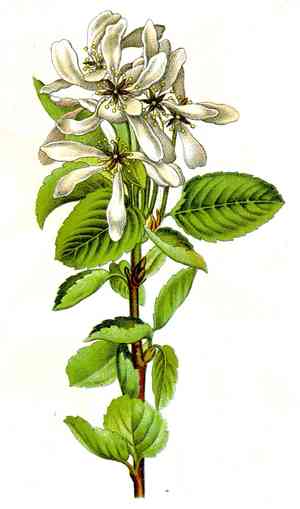
1
Cathay quince flourishes with ample sunlight, needing a minimum of six hours of direct sun each day.
2
Although abundant sunlight is optimal, Cathay quince can withstand some shade, especially in warmer regions.
3
Introducing Cathay quince to increased light levels progressively is vital when moving it from a less bright to a more illuminated location.
Understanding Light Requirements for Cathay quince
Varieties of Sun Exposure
Regarding solar exposure, Cathay quince thrives with several types, including full sun and partial sun. Full sun, meaning six or more hours of direct daylight daily, is generally ideal for Cathay quince's robust growth. This exposure provides the necessary energy for vibrant blossoms and healthy foliage. Alternatively, partial sun exposure, roughly 3 to 6 hours of direct sunlight, is also acceptable, particularly in regions with intense heat. In such climates, partial sun can prevent leaf burn and other heat-related issues.
Optimal Sunlight Duration
For prime development, Cathay quince should receive full solar exposure for at least six hours daily. This amount of light is vital for the plant to grow strongly and produce its characteristic vivid flowers and fruits. If the climate is exceptionally warm, offering some afternoon shade can be beneficial. This balance ensures the plant avoids excessive heat while still getting adequate illumination.
Best Planting Sites for Cathay quince
Outdoor Siting Choices
Selecting the proper outdoor spot for your Cathay quince involves finding an area with ample daylight. Ideally, choose a garden location that receives direct sunlight for most of the day. South-facing areas are typically superior as they get maximum sun exposure. Additionally, a well-draining soil location will help prevent waterlogging, which can negatively impact the plant. Ensuring the spot has good air circulation is also advantageous for deterring pests and diseases.
Indoor Considerations
While Cathay quince is primarily an outdoor plant, it can be cultivated indoors under the right conditions. If you opt to keep it inside, position the plant near a south-facing window where it can receive sufficient sunlight. Supplementary illumination, such as grow lights, might be necessary during shorter, darker winter days to meet the plant's light needs. Ensure the indoor environment isn't overly humid and has proper ventilation to emulate its natural outdoor habitat as closely as possible.
How to Acclimate Cathay quince to Different Sunlight Regimes
Gradual Light Introduction
Acclimating Cathay quince to varying sunlight conditions is a progressive process. If you are relocating the plant from a shady area to a sunnier spot, do so gradually to prevent stress. Begin by exposing it to a few hours of morning sun and slowly increase the direct sunlight over several weeks. This helps the plant adjust and avoids leaf scorch and other stress-related damage.
Protection from Excessive Light
While Cathay quince thrives in sunlight, overexposure, especially in extremely hot climates, can lead to problems. To safeguard your plant, consider providing some form of cover during peak afternoon heat. This could be as simple as positioning the plant where it receives natural shade from taller flora or utilizing a shade cloth. Consistently observe the plant for signs of overexposure, such as scorched leaves, and take corrective action promptly.
Common Light-Related Problems and Solutions for Cathay quince
Indicators of Insufficient Light
Recognizing the signs of inadequate sunlight in Cathay quince is vital for maintaining its well-being. Typical indicators include stretched growth, pale foliage, and reduced flowering. If these symptoms appear, try moving the plant to a brighter location or pruning back nearby plants that might be obstructing light. Placing reflective surfaces nearby can also help boost available light.
Addressing Excessive Light
Too much sunlight can also present difficulties, particularly in hot regions. Symptoms of excessive sun include leaf scorching, wilting, and discolored patches on leaves. To remedy this, you can introduce partial shading during the warmest part of the day. Additionally, ensuring the plant is well-hydrated and the soil is mulched can help retain moisture and lessen heat stress.



