How Much Sunlight Do Eastern redbud Need?
1
Eastern redbuds thrive with a minimum of 6 hours of direct sun each day.
2
Some shade can be advantageous, particularly in warmer regions.
3
Observe your Eastern redbud for indications of sun-related stress to promote healthy development.
Grasping the Eastern Redbud's Light Needs
Native Environment and Light Exposure
The Eastern redbud is an attractive and visually striking tree indigenous to North America's eastern parts. In its natural setting, this tree thrives in understory conditions, frequently benefiting from a blend of direct and filtered light. Typically found along forest borders, Eastern redbuds get ample morning light and dappled light throughout the day. This natural habitat offers insights into the light requirements for flourishing, combining full sun exposure with periods of shade.
Advantages of Appropriate Light for Eastern Redbuds
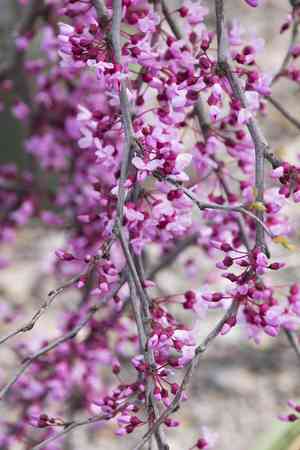
Sufficient light is vital for the healthy development and vibrant look of Eastern redbuds. With proper light, these trees display vivid pink to reddish-purple blossoms in spring, creating stunning visual appeal. Light also supports robust foliage and strengthens the treeâs structure, enhancing its capacity to endure various environmental pressures. Correct light exposure ensures lush green leaves in summer and bright yellow tones in autumn, making the Eastern redbud a year-round decorative asset.
Optimal Light Conditions for Eastern Redbuds
Full Sun Versus Partial Shade
While Eastern redbuds can thrive in full sun, receiving over 6 hours of direct sunlight daily, they also tolerate partial shade. In areas with intense summer heat, partial shade during the day's hottest period can help prevent leaf burn and reduce water stress. When selecting a planting site, consider a location where the tree can receive morning sun followed by dappled afternoon light for an ideal balance of sun exposure and protection.
Morning Sun Versus Afternoon Sun
Morning light is generally more advantageous for Eastern redbuds than harsh afternoon sun. Early light provides essential energy for photosynthesis without the intense heat that afternoon sun can bring. Positioning your Eastern redbud to capture the gentle rays of the morning sun will help promote healthy growth and bloom production while minimizing the risk of foliage scorching or dehydration.
Ensuring Ideal Light for Your Eastern Redbud
Planting Site Recommendations
When deciding where to plant your Eastern redbud, select a spot that offers a mix of light and shade. Ideal locations include the edge of wooded areas or open spaces with some overhead canopy. Ensure the soil drains well, as prolonged wet conditions can harm the tree. Additionally, consider the tree's mature size to avoid overcrowding and ensure it has ample space to grow and receive light from all directions.
Adjusting Light Through Seasons
As seasons change, so do the light requirements and exposure for your Eastern redbud. In spring and fall, the tree will benefit from full light to support flowering and preparation for dormancy. During the hot summer months, providing some afternoon shade can help reduce stress. In winter, when the tree is dormant, light needs are minimal, but maintaining a balance for proper exposure is still beneficial.
Indicators Your Eastern Redbud Needs More or Less Light
To ensure your Eastern redbud is getting the right amount of light, look for specific signs. If the treeâs leaves appear scorched, brown, or are wilting in summer, it may need more shade during peak sun hours. Conversely, if growth appears leggy, sparse, or the tree isnât flowering as profusely, it might require more light. Monitoring these indicators and adjusting the treeâs exposure can help maintain its health and aesthetic appeal.



