How Much Sunlight Do Carob tree Need?
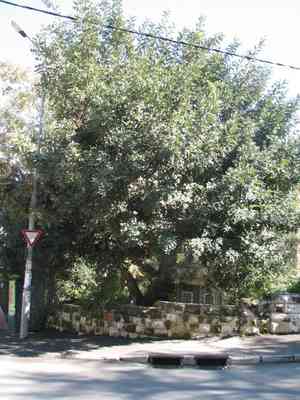
1
Carob trees flourish when exposed to a minimum of 6-8 hours of direct sun each day.
2
While hardy, Carob trees tolerate some shade but will not reach their full potential.
3
Effective handling of varying seasonal light conditions helps avoid leaf scorch or inadequate illumination issues.
What Amount of Sunlight Does a Carob Tree Require?
Full Sun Necessity
The Carob tree flourishes best when it gets complete sunlight for most of the day. Ideally, it should be exposed to at least 6-8 hours of direct sun daily. This exposure allows the tree to photosynthesize efficiently, promoting superior growth, healthier foliage, and abundant fruit yield. Full sunlight is especially crucial during its active growth phase, as it supplies the energy needed for strong development and optimal production.
Partial Light Endurance
While the Carob tree prefers full sun, it can withstand conditions of partial sunlight. In spots where it receives some indirect light or is shaded for part of the day, the tree can still survive but might not achieve its full potential. Growth could be slower, and fruit production might be less plentiful. Therefore, ensuring as much direct sunlight as possible remains vital for peak health and productivity.
Optimal Sites for Planting a Carob Tree
Prime Outdoor Spots
When choosing an outdoor location for your Carob tree, select a place that guarantees full sunlight throughout the day. Planting on the southern or southwestern side of your property can provide the tree with extended exposure to natural light. Ensure the area is clear of large structures or trees that could cast prolonged shadows and diminish the amount of direct sunlight the tree receives.
Indoor Cultivation Considerations
The Carob tree is typically an outdoor plant due to its significant sunlight demands. However, if contemplating indoor growth, ensure you position it near large south-facing windows where it can receive ample light. Employing grow lights can supplement natural light, but it may not fully replicate outdoor conditions. Regularly rotating the plant can help it receive uniform light exposure and prevent leaning towards the light source.
Seasonal Adjustments for Carob Tree Sunlight
Summer Sunlight Requirements
During summer, the Carob tree will benefit from the longer daylight hours, ensuring it gets plenty of direct sunlight. However, in regions with extremely high summer temperatures, the tree might need some afternoon shade to prevent overheating and leaf scorch. Mulching around the plant's base can also help retain moisture and shield the root system from intense heat.
Winter Sunlight Adaptations
In winter, the angle and duration of sunlight decrease, which could affect the Carob tree. To alleviate reduced light exposure, consider pruning nearby plants that might block sunlight. If the tree is in a pot, move it to a location that maximizes sun exposure, such as a sunroom. Utilizing reflective surfaces around your planting area can help increase the light reaching the tree.
Common Sunlight Issues for Carob Tree and Solutions
Leaf Sunburn
The Carob tree can suffer from sunburn if exposed to intense, direct sunlight for extended periods, especially during peak summer. Sunburn appears as scorched, brown patches on the leaves. To prevent this, provide afternoon shade in extremely hot weather, either by using shade cloth or strategically planting near other trees that offer temporary cover without completely overshadowing the tree.
Insufficient Light Indicators
A lack of adequate sunlight can lead to several problems for the Carob tree, such as leggy growth, reduced leaf size, and poor fruit production. The tree may appear generally unhealthy and weak. To remedy this, ensure the tree is planted in a spot with maximum sunlight exposure. If sunlight is limited, consider relocating it to a more favorable position or use supplemental lighting if grown indoors.



