How Much Sunlight Do Common buttonbush Need?
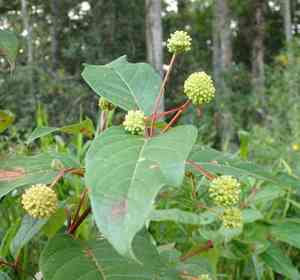
1
The Common buttonbush flourishes in direct sun, though it can endure some dappled light.
2
Optimal sun exposure for Common buttonbush is a minimum of six hours daily.
3
Inadequate light can result in feeble development and sparse flowering for Common buttonbush.
What are the Illumination Requirements for Common buttonbush?
Optimal Light Conditions
For the Common buttonbush to flourish, it should be situated where it can receive ample direct light. This means at least 6 to 8 hours of direct sun daily. Full light allows the plant to generate the energy needed for vigorous development, vibrant foliage, and abundant flowering. Ideal conditions often mirror its natural habitats like wetlands and stream banks where light is plentiful.
Minimum Light Needs
While Common buttonbush performs best in full sun, it can endure partial sun. This implies it can still survive and grow in areas receiving approximately 3 to 6 hours of sunlight each day. However, under these circumstances, its growth rate may slow, and blooming might be less intense or profuse than in optimal light.
Impacts of Insufficient Light
If the Common buttonbush does not get enough light, several problems can emerge. Inadequate light can lead to weak, elongated growth as the plant stretches toward available light sources. Furthermore, its leaves may be less vivid, and flowering could be sparse or entirely absent. Thus, sufficient light is vital for maintaining the plant's overall health and aesthetic appeal.
How to Ensure Proper Light Exposure for Common buttonbush?
Selecting the Correct Site
Choosing the appropriate spot for your Common buttonbush is crucial. Seek out a location in your garden that receives abundant direct sunlight throughout the day, particularly in the morning and early afternoon. Avoid placing it in areas with dense shade from nearby trees, buildings, or other structures that might obstruct light.
Seasonal Adjustments
Consider the sun's changing position throughout the year when planning your Common buttonbush placement. During colder months, when the sun is lower, some plants may receive less light. If feasible, plant in a south-facing spot to maximize exposure across all seasons.
Utilizing Artificial Light Sources
If you're cultivating Common buttonbush indoors or where natural light is insufficient, consider employing artificial light sources. Grow lights that replicate the full spectrum of sunlight can supply the necessary energy for photosynthesis. Position these lights to provide about 6 to 8 hours of illumination daily for optimal outcomes.
Common Issues Related to Light for Common buttonbush
Symptoms of Excessive Light
While Common buttonbush thrives in sunlight, too much exposure, especially in very hot climates, can cause problems. Signs of excessive light include scorched leaves, which appear brown and brittle at the edges, and a general wilted appearance despite adequate hydration. Providing some afternoon shade during hot periods can alleviate these issues.
Symptoms of Insufficient Light
Conversely, if Common buttonbush receives too little light, you might observe leggy development, where stems become elongated and thin. Leaves may turn pale or yellow, and flower production can significantly decrease. These indicators suggest the plant is struggling to capture enough energy from the limited light it receives.
Methods to Diagnose Light Problems
Diagnosing light issues involves observing alterations in the plant's appearance and growth patterns. Regularly inspect the leaves, stems, and overall vigor of the Common buttonbush. Comparing its growth rate and flowering to previous years can also be a useful metric. If symptoms point to light problems, re-evaluate the plant's location and adjust accordingly.
Additional Advice for Managing Light for Common buttonbush
Monitoring and Adjusting Light Exposure
Continuously observe your Common buttonbush for signs of light stress. Be ready to move the plant or modify its position as needed to ensure it gets the ideal amount of light. This might involve pruning nearby trees or relocating the plant to a brighter spot if it's not flourishing in its current location.
Complementing with Other Care Practices
In addition to managing light, other care practices are crucial for the health of your Common buttonbush. Ensure sufficient watering, especially if the plant is receiving full sun exposure, as this increases water demand. Regular pruning can help maintain its form and encourage better light penetration and air circulation. Finally, consider soil quality and nutrients to support overall growth and vitality.



