How Much Sunlight Do Crimson fountain grass Need?
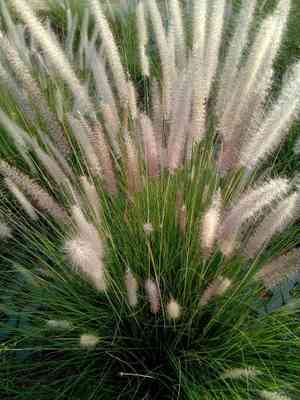
1
For optimal health, crimson fountain grass requires more than six hours of direct sun each day.
2
While it can endure some partial shade, the best development occurs in bright, full sunlight.
3
Continuously monitor your plant to fine-tune its sun exposure when necessary.
Optimal Light Conditions for Crimson Fountain Grass
Full Sun Requirement
Crimson fountain grass thrives best in full sun, necessitating at least six hours of direct daylight daily. This light level ensures the grass develops vibrantly and healthily, displaying its beautiful crimson plumes during its flowering period. When planning outdoor placement, selecting a spot with abundant sunlight will yield superior growth.
Partial Shade Adaptability
While full sun is preferred, Crimson fountain grass can endure partial shade. However, in such conditions, its growth might be less vigorous, and its vivid coloration potentially diminished. For areas with limited direct sun, aim to provide the grass with a few hours of direct light supplemented with bright, indirect illumination.
Managing Sunlight for Crimson Fountain Grass in Various Settings
Indoor Light Management
Cultivating Crimson fountain grass indoors demands careful positioning near a window offering ample sunlight. South or west-facing windows are ideal for maximizing light exposure. Should your indoor space lack sufficient natural light, consider supplementing with artificial grow lights to maintain the grass's vitality.
Outdoor Light Management
For outdoor cultivation, select sites that receive the most sun throughout the day. If necessary, reflective surfaces can be employed to boost the light reaching your Crimson fountain grass. Furthermore, trimming nearby plants or structures that cast shadows can help preserve optimal light levels.
Indications of Insufficient or Excessive Sunlight for Crimson Fountain Grass
Signs of Light Deprivation
A Crimson fountain grass suffering from inadequate sunlight may exhibit stunted development, faded coloration, and weak, sparse foliage. If these symptoms appear, consider moving your plant to a brighter location or increasing its light exposure.
Signs of Overexposure to Sunlight
Although Crimson fountain grass adores sunlight, too much can lead to scorched leaves and dry, brittle stems. If your plant appears overly dry or sunburnt, offer some shade during the peak heat of the day or increase watering to help it cope with the intense warmth.
Strategies for Maximizing Sunlight Exposure for Crimson Fountain Grass
Seasonal Light Adjustment
Adjust your Crimson fountain grass's sunlight exposure according to the season. During winter, when sunlight is weaker, ensure it receives the maximum available light. In summer, provide some afternoon shade if the sun's intensity is too high. Regular monitoring and repositioning will help sustain its health throughout the year.
Utilizing Supplemental Lighting
In environments where natural sunlight is insufficient, use artificial grow lights to complement your Crimson fountain grass's light requirements. Energy-efficient LED grow lights are effective, supplying the necessary light spectrum for robust growth. Position the lights approximately 30 cm (12 inches) above the plant and keep them on for about 12-16 hours daily to mimic natural sunlight.



