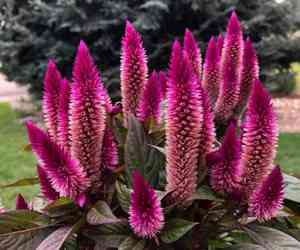
How Much Sunlight Do Plumed cockscomb Need?
1
Plumed cockscomb flourishes with ample direct sunlight, though it can endure some filtered light.
2
Ensure adequate illumination indoors, possibly supplementing with artificial grow lights, to support robust development.
3
Observe your Plumed cockscomb for indications of overexposure or underexposure to light to maintain its well-being.
Optimal Light Requirements for Celosia argentea var. cristata
Full Sun
The Celosia argentea var. cristata thrives in bright conditions! This striking plant grows best with more than 6 hours of direct solar exposure daily. Abundant sunlight guarantees vibrant coloration and robust development. Whether situated in your garden or on a well-lit balcony, selecting a location with ample natural light is crucial for this plant's prosperity.
Partial Shade
Although the Celosia argentea var. cristata favors full sun, it can still thrive in partially shaded environments. Partial shade implies the plant receives approximately 3-6 hours of direct sunlight each day. This condition is especially beneficial in regions with intense summer heat, as a bit of afternoon protection can prevent leaf damage. However, be aware that excessive shade may result in less vivid hues and stunted development.
How to Recognize Appropriate Light Levels
Indicators of Excessive Sun
Too much sun exposure can harm the Celosia argentea var. cristata. Watch for scorched or sunburnt foliage, appearing as brown, crispy margins. Additionally, if the plant begins to wilt or the soil dries out rapidly, it might be receiving too much direct light. In such instances, consider offering some afternoon cover or relocating the plant to a less intense spot.
Indicators of Insufficient Sun
Lack of adequate sunlight can also negatively impact your Celosia argentea var. cristata. If you observe etiolated growth, characterized by long, weak stems with widely spaced leaves, it signals the plant is reaching for light. Other signs include dull or muted flower colors and an overall lack of vitality. Increase the plant's light exposure by moving it to a brighter area if these symptoms emerge.
Maximizing Indoor Illumination for Celosia argentea var. cristata
Utilizing Supplemental Lighting
When cultivating Celosia argentea var. cristata indoors, natural light may not always suffice. Horticultural lamps can be an excellent substitute. Position them roughly 12-18 inches (30-45 cm) above the plant to simulate natural sunlight. Employ a timer to ensure the plant receives approximately 14-16 hours of light daily during its active growth phase, reducing to 10-12 hours during dormancy.
Optimal Window Placement
When positioning your Celosia argentea var. cristata near windows, aim for a south or west-facing pane where it will get bright, indirect illumination. East-facing windows can also work if they receive several hours of morning light followed by diffuse light for the remainder of the day. Rotate the plant periodically to promote uniform development on all sides.
Seasonal Light Adjustments
Summer
In summer, your Celosia argentea var. cristata will likely flourish with abundant sunshine. Nevertheless, be cautious of extremely high temperatures; conditions exceeding 95°F (35°C) combined with intense sunlight can induce stress. Providing some afternoon shade or employing a light shade cloth can help mitigate excessive heat.
Winter
During winter, solar intensity diminishes, and days are shorter. If your Celosia argentea var. cristata is indoors, ensure it occupies a well-lit position, and consider supplementing with grow lights to sustain its growth. Outdoors, anticipate slower development and potentially fewer blooms, but the plant can generally endure well with reduced light.
Common Light-Related Problems and Their Solutions
Scorched Leaves
Scorched leaves typically feature brown, burnt edges. This happens when the plant is exposed to excessive direct sunlight, particularly during peak hours. To remedy this, try relocating your plant to an area with gentler afternoon light or provide shade during the hottest part of the day.
Etiolated Growth
Etiolated growth is characterized by elongated, thin stems that stretch towards the light. This indicates insufficient sunlight. Move your Celosia argentea var. cristata to a brighter location or increase its light exposure with a grow light.
Dulled Colors
If your Celosia argentea var. cristata's flowers and foliage are losing their vibrant hues, it might be due to inadequate sunlight. Ensure the plant receives at least 6 hours of direct sunlight daily, or utilize supplementary lighting if necessary. Proper illumination will help restore its rich, striking colors.



