How Much Sunlight Do Deodar cedar Need?
1
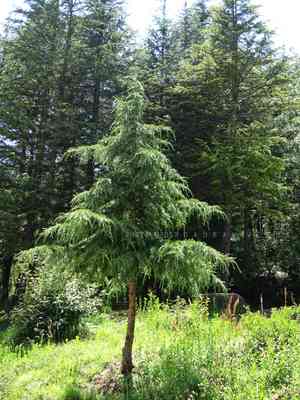
Deodar cedars flourish when exposed to more than six hours of direct sun each day.
2
In the colder months, the Deodar cedar needs less intense light but should still get some direct sun.
3
If the needles turn yellow, it could indicate either excessive or insufficient sun exposure.
Optimal Solar Conditions for Deodar Cedar
Full Sun Necessities
The Deodar cedar flourishes with complete sun exposure, meaning it gets more than 6 hours of direct sunlight each day. This is particularly crucial during its active growth phase, as sufficient light encourages robust development and vibrant foliage. Ideally, plant your Deodar cedar in an open spot where it can absorb abundant sunlight without obstruction from taller vegetation or structures.
Tolerance for Partial Shade
Although the Deodar cedar favors full sun, it can also withstand partial shade. Nonetheless, it's vital to ensure it still receives several hours of direct sunlight, even if less than the full 6 hours. In partly shaded environments, the tree might grow somewhat slower and have less dense foliage, but it will still thrive provided it gets some daily sunlight.
Seasonal Light Requirements
Summer Light Exposure
During summer, the Deodar cedar benefits from increased light exposure. The extended daylight hours and stronger sun promote vigorous growth and sturdy health. Ensure the tree receives plentiful water in the warmer months to support this growth and prevent dehydration.
Winter Light Exposure
In winter, the Deodar cedar still requires sunlight, though its needs are slightly diminished. Even with shorter days, ensure the tree gets direct sunlight for a few hours. Strategic positioning to maximize winter sun exposure will help maintain its vitality during the colder, darker periods.
Light's Influence on Growth and Health
Photosynthesis and Nutrient Uptake
Sunlight is essential for photosynthesis, the process by which the Deodar cedar converts light energy. This energy is critical for the tree's development, nutrient absorption, and overall well-being. Full sun exposure ensures the tree can photosynthesize efficiently, leading to lush, healthy foliage and strong growth.
Preventing Light-Induced Stress
While sunlight is vital, excessive intense sunlight, particularly in very hot climates, can stress the Deodar cedar. Signs of light stress include browning needles and scorched leaves. To avoid this, ensure the tree is well-watered and consider providing some afternoon shade during the peak summer heat.
Adapting Light for Indoor Deodar Cedar
Utilizing Artificial Light Sources
If cultivating a Deodar cedar indoors, providing adequate light can be difficult. Employing artificial light sources, such as full-spectrum grow lights, can supplement natural sunlight. Position these lights to mimic the intensity and duration of natural sunlight, ideally for at least 6-8 hours daily.
Placement Near Windows
Another effective approach for indoor Deodar cedar is to place it near a south-facing window where it can receive maximum sunlight. Rotating the tree periodically ensures even light distribution, preventing one side from becoming elongated or weak.
Common Light-Related Issues and Remedies
Needle Discoloration
Yellowing needles on a Deodar cedar can indicate inappropriate light levels. Both too much and too little light can cause this problem. Evaluate the tree's exposure and adjust accordingly—ensure it receives ample sunlight if kept in too much shade, or provide afternoon shade if in overly intense sun.
Sun Scorch
Sunburn on a Deodar cedar appears as scorched, brown areas on the needles. This typically happens when the tree receives excessive direct sunlight without adequate hydration. To resolve this, ensure consistent watering, especially during hot, sunny periods, and consider partial shading during peak sunlight hours.



