How Much Sunlight Do Blueblossom Need?
1
Blueblossom flourishes optimally in direct sunlight, requiring more than 6 hours of sun each day.
2
Insufficient light can hinder Blueblossom's development and lead to reduced flowering.
3
Place Blueblossom in a brightly illuminated area of your garden to encourage vigorous development.
Optimal Sunlight for Blueblossom
Full Sun Exposure
For peak development and abundant flowering, Blueblossom should be situated in full sun. This implies the plant needs at least six hours of direct, unobstructed sunlight daily. Full sun exposure enables Blueblossom to maximize chlorophyll production, leading to vibrant foliage and numerous blooms. Without ample sun, the plant may not reach its full potential.
Partial Shade Tolerance
While Blueblossom thrives in full sun, it can endure partial shade. Partial shade indicates an environment where the plant receives 3 to 6 hours of direct or filtered sunlight throughout the day. In partial shade, Blueblossom might not flower as profusely as in full sun, but it can still maintain healthy growth and some blossoms.
Daily Sunlight Requirements for Blueblossom
Required Sunlight Hours
Blueblossom needs a minimum of 6 hours of direct sunlight daily. The more sun this plant gets, the better it will perform. Placing Blueblossom in a location with sufficient sunlight ensures it has the energy for photosynthesis, robust development, and prolific flowering. For best outcomes, aim for a sun-drenched spot in your garden.
Effects of Insufficient Sunlight on Blueblossom
Hindered Growth
When Blueblossom lacks adequate sunlight, its growth can be stunted. Reduced light impairs its ability to produce food efficiently, weakening the plant and increasing its vulnerability to pests and diseases. Providing this plant with necessary sunlight is vital for maintaining its vigor and health.
Poor Flowering
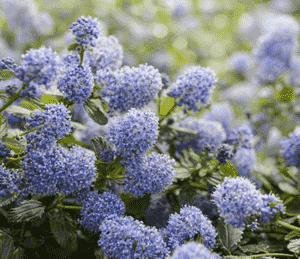
Inadequate sunlight can severely impact Blueblossom's blooming capacity. A lack of sufficient light can result in fewer and smaller flowers, significantly diminishing the plant's aesthetic appeal. By ensuring your Blueblossom receives full sun, you will enjoy a spectacular display of blue blossoms during the flowering season.
Optimal Placement Strategies for Blueblossom
Ideal Garden Spots
Position your Blueblossom in the sunniest part of your garden. Optimal spots are often north or south-facing areas with minimal obstruction from structures or larger plants. Raised beds or open spaces are perfect as they allow the plant access to direct sunlight from morning till evening.
Selecting the Right Yard Location
In your yard, choose a spot free from impediments like trees or tall shrubs that could cast shadows on your Blueblossom. Consider the sun's seasonal path to ensure the plant receives ample sunlight year-round. If possible, avoid planting it near structures that might create permanent shade during critical parts of the day.
Blueblossom's Adaptability to Light Conditions
Adaptability in Partial Sun
Blueblossom is versatile and can still thrive in partial sun conditions, though its performance will be less impressive. In terms of flexibility, this shrub can manage with fewer hours of direct sunlight, around 3 to 6 hours, or consistent, gentle dappled light. However, the plant will be fuller and more floriferous with full sun exposure.
Response to Varied Light
Blueblossom's ability to adapt to varying light means that while it prefers full sun, it can survive in less ideal conditions. When grown in partial shade, you might observe less vigorous growth and sparser blooms. Monitoring the plant's reaction to its environment will enable you to make necessary adjustments to its placement, ensuring it gets closer to the optimal light conditions it needs to flourish.



