How Much Sunlight Do Blue cohosh Need?
1
Blue cohosh flourishes in dappled light and cannot endure prolonged direct sun exposure.
2
Inadequate light, whether excessive or insufficient, can cause signs of distress in Blue cohosh.
3
For indoor cultivation, Blue cohosh needs a blend of natural and supplemental illumination.
Ideal Light Conditions for Blue Cohosh
Partial Shade Preference
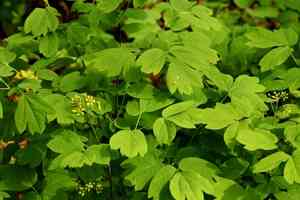
Blue cohosh thrives in woodland settings, favoring areas with partial shade. This plant flourishes under the dappled sunlight that filters through the overhead canopy of taller trees. Such conditions allow the plant to receive its required moderate light without enduring the harshness of direct sun. Typically, Blue cohosh needs approximately 3-6 hours of daily sunlight.
Filtered Light Requirements
Filtered light is crucial for the optimal development of Blue cohosh. The plant performs best in locations receiving indirect sunlight, such as forest edges or spots with light shading from buildings or structures. Employing sheer curtains or light shade cloths can replicate these conditions, fostering an environment where the plant can prosper without the risk of sun damage or light-induced stress.
Light Intensity and Duration
Daily Sunlight Hours
Controlling the daily sunlight exposure is vital for maintaining Blue cohosh's health. Ideally, this plant should experience 3-6 hours of indirect sunlight each day. In regions with strong sun, it's important that this exposure occurs during the less intense morning or late afternoon hours, avoiding midday sun. Monitoring and adjusting light can prevent leaf scorch and overall plant distress.
Seasons and Sunlight Variability
The amount of sunlight available to Blue cohosh fluctuates with the seasons. In spring and early summer, the plant might receive more light before trees fully leaf out. As summer progresses, the developing leaf canopy provides the natural, filtered light that Blue cohosh prefers. During fall and winter, natural light decreases, necessitating potential relocation or supplemental artificial lighting indoors to sustain healthy growth.
Negative Impacts of Incorrect Sunlight
Overexposure Symptoms
Excessive sunlight can lead to various stress indicators in Blue cohosh. These include yellowing or browning leaves, wilting foliage, and in severe cases, scorched leaf edges. Regular inspection and repositioning of the plant are important if these signs appear. Overexposure is typically more problematic during peak summer months when sun intensity is highest.
Underexposure Symptoms
While Blue cohosh tolerates low light, insufficient sunlight can cause issues like leggy growth, smaller leaves, and diminished overall plant vigor. In some instances, reduced light can hinder the plant's ability to flower and produce seeds. Observing the plant's development and moving it to a slightly brighter spot, if these symptoms manifest, can help alleviate the problem.
Adjusting Sunlight Exposure
Using Shade Cloths
Shade cloths are effective tools for managing the amount of sunlight Blue cohosh receives. These materials can block a specific percentage of sunlight, creating a controlled environment. This is a practical solution for gardeners dealing with intense midday sun. Select a shade cloth that blocks approximately 50-70% of sunlight to provide the filtered light Blue cohosh favors.
Positional Adjustments in Your Garden
Relocating Blue cohosh within your garden can help regulate its sunlight exposure. Consider placing it under larger shrubs or trees, or on the north or east side of your home, where it will naturally receive filtered sunlight. Continuously monitor sunlight throughout the growing season to ensure the plant maintains optimal light conditions as surrounding vegetation grows and changes density.
Indoor Cultivation Tips for Blue Cohosh
Artificial Lighting Solutions
For indoor cultivation, Blue cohosh greatly benefits from artificial lighting, especially during shorter winter days. Fluorescent grow lights or LED lights designed for plants can supply the necessary light spectrum and intensity. Position lights about 30 cm (12 inches) above the plant, ensuring it gets ample indirect light. Aim for approximately 12-16 hours of artificial light daily during periods of low natural light.
Balancing Natural and Artificial Light
Achieving a balance between natural and artificial light is crucial for successful indoor Blue cohosh cultivation. Place the plant near a north or east-facing window to utilize natural light, supplementing with artificial light as needed. Adjust artificial lighting based on the season and available natural light. By establishing a consistent lighting schedule that mimics the plant's natural habitat, you can ensure robust growth and health for your Blue cohosh.



