How Much Sunlight Do Northern catalpa Need?
1
Northern catalpa trees flourish optimally with over six hours of direct sun exposure each day.
2
These trees can endure some shade, but might exhibit diminished vitality and fewer blooms.
3
Monitor seasonal variations, making sure your tree receives adequate sunlight year-round.
Optimal Light Conditions for Northern catalpa
Full Sun vs. Partial Shade
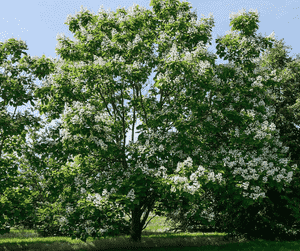
The Northern catalpa, recognized for its large leaves and distinct white blossoms, thrives in sunlight. Ideally, it requires full sun, meaning at least six hours of direct daily sunlight. This condition promotes vigorous growth, leading to lush foliage and abundant flowers. While it can endure some partial shade, prolonged periods without adequate light may result in weaker growth and fewer blooms.
Daily Light Duration
For peak development, ensure your Northern catalpa receives 6 to 8 hours of sunlight daily. This range provides ample energy for photosynthesis, supporting healthy growth. However, if your tree is in a partially shaded spot, aim to position it where it can capture either morning or afternoon sun.
How Placement Influences Light Exposure
Urban vs. Rural Environments
City areas often present more obstructions like buildings and tall structures that can cast shadows and limit light. Conversely, rural settings typically offer more open space, allowing easier access to full sun. When planting a Northern catalpa in an urban area, carefully select a site that remains clear of surrounding structures for most of the day.
Geographical Differences
Various geographical regions experience differing amounts of sunlight throughout the year. Northern areas may have shorter winter days, impacting tree light exposure. In southern regions, consider the sun's intensity, as extreme heat can sometimes be too much even for a sun-loving plant like the Northern catalpa. Adjust placement accordingly to ensure sufficient but not excessive sunlight.
Seasonal Light Changes for Northern catalpa
Spring and Summer
During spring and summer, days are longer, allowing the Northern catalpa to fully benefit from extended sunlight. This period is vital as the tree maximizes photosynthesis, leading to strong growth and impressive blooms. Ensure that nearby plants or structures do not obstruct the tree's light access during these key growing seasons.
Fall and Winter
As autumn approaches, days shorten and sunlight intensity diminishes. During this time, it's crucial to ensure the Northern catalpa receives as much sunlight as possible, even as it naturally enters dormancy. In winter, daylight hours are quite brief, and while the tree needs less light, maintaining a semi-sunny spot will help keep it healthy and prepare it for the next growing season.
Indicators of Insufficient or Excessive Light
Signs of Light Deficiency
If your Northern catalpa isn't getting enough light, you'll observe symptoms such as sparse leaves, fewer flowers, and elongated or weak branches. The foliage might also appear lighter green than usual. These signs indicate the tree lacks sufficient energy for health and growth, requiring a more brightly lit location.
Signs of Too Much Light
While the Northern catalpa enjoys sun, overly intense, direct sunlight can cause scorched leaves and brown edges. If you notice these symptoms, providing some shade during the hottest part of the day can prevent further harm. Unfortunately, sunburn can hinder photosynthesis, so balance is essential.
Tips for Optimizing Light Exposure
Pruning to Improve Light Penetration
Pruning is an effective method to ensure your Northern catalpa maximizes its light exposure. Remove any dead, diseased, or crossing branches that could block sunlight from reaching the tree's interior. By maintaining a well-structured canopy, you allow light to penetrate better and enhance overall tree health.
Strategic Planting Spots
When planting a Northern catalpa, location is paramount. Choose an area in your garden that receives full sun for most of the day but is shielded from harsh midday sun if you reside in a particularly hot climate. Planting on the south or west side of your garden typically provides optimal light exposure. Remember to consider future growth and surrounding vegetation that might impact light access.



