How Much Sunlight Do Chinese catalpa Need?
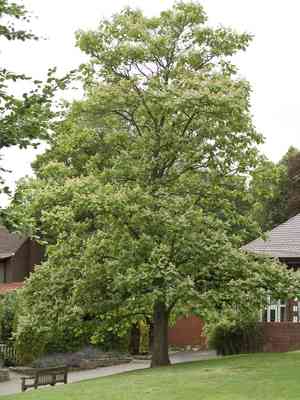
1
Chinese catalpa flourishes optimally with at least 6 hours of direct solar exposure daily, indicating full sun conditions.
2
Chinese catalpa is capable of growth in partial shade, though its blooming might be less abundant.
3
Periodically assessing the amount of light your Chinese catalpa receives can assist in detecting and resolving any potential problems related to inadequate or excessive illumination.
Ideal Light Conditions for Chinese Catalpa
Full Sun Versus Partial Shade
The Chinese catalpa flourishes best in full sun, necessitating over six hours of direct daylight daily. This environment fosters robust, healthy development and profuse blossoms. Nevertheless, it can endure partial shade, meaning it will still grow with roughly 3-6 hours of daily direct light. Note that in partial shade, the plant might exhibit less vigor, and its flowering capacity could be reduced.
Daily Light Duration
For prime health, guarantee your Chinese catalpa gets a minimum of 6-8 hours of sunlight daily. Such exposure aids the tree in generating ample energy through photosynthesis and supports its entire growth cycle. Insufficient sunlight can result in slower growth and fewer blooms. Consistent observation of the light exposure in your chosen planting site is vital for maintaining your Chinese catalpa's vitality.
The Importance of Sunlight for Chinese Catalpa Development
Photosynthesis and Energy Production
Sunlight is indispensable for photosynthesis, the process by which plants convert light into usable energy. For the Chinese catalpa, abundant sunlight ensures it can produce enough energy to sustain its growth. During photosynthesis, the plant takes in carbon dioxide and water to create glucose and oxygen, which fuels the tree's development and maintains its health. Optimal light exposure maximizes this energy production, leading to a more vigorous and vibrant tree.
Impact on Flowering and Seed Output
Sunlight significantly influences the flowering and seed yield of the Chinese catalpa. Sufficient light promotes more abundant blooming, as the energy generated during photosynthesis powers flower development. The tree's appealing clusters of white, trumpet-shaped flowers are more likely to thrive under full sun conditions. Moreover, superior blooming conditions lead to increased seed production, ensuring the species' continuation and dispersal.
Finding the Best Spots for Chinese Catalpa
Assessing Sun Exposure in Your Garden
Assessing the sun exposure in your garden can help identify the ideal location for your Chinese catalpa. Observe your garden throughout the day to determine which areas receive the most sunlight and for how long. Note any buildings or other trees that might create shadows. Utilize tools like sun calculators or simple observation to accurately gauge sun exposure. This information will help you select the most beneficial planting site for your tree.
Choosing the Right Aspect: North, South, East, or West
Selecting the optimal directional orientation for planting is crucial. In the northern hemisphere, a south-facing position typically offers the most sunlight, ensuring your Chinese catalpa prospers. East-facing locations provide morning sun and are a good alternative, while west-facing spots deliver intense afternoon sun. North-facing areas usually receive the least amount of light and may not be suitable. Consider your garden layout and solar patterns when choosing the planting site.
Managing Sunlight for Chinese Catalpa in Diverse Climates
Sunlight Needs in Tropical Climates
In tropical regions, the Chinese catalpa thrives with consistent, year-round sunlight. However, the intense sun in these areas can sometimes be excessively harsh. Providing some afternoon shade or using a light shade cloth can shield the tree from extreme heat and prevent leaf scorch. Ensure the tree still receives the necessary 6-8 hours of sunlight for healthy growth.
Sunlight Needs in Temperate Zones
In temperate regions, where seasons are more distinct, it's vital to maximize sunlight during the active growing period. Spring and summer offer the best conditions for optimizing light exposure. Ensure the planting location receives ample sunlight, at least 6 hours daily, during this time to support the tree’s development and blooming.
Adjusting Sunlight in Colder Environments
In colder climates, the growth season is shorter, and sunlight can be less intense. Plant Chinese catalpa in the sunniest available spot, ideally south-facing, to optimize light exposure. Also consider the tree's winter protection requirements. In these areas, ensuring maximum sunlight during the limited growing period is critical for the tree's survival and flourishing.
Addressing Sunlight-Related Issues for Chinese Catalpa
Indications of Sunlight Stress
Signs of sunlight stress in Chinese catalpa include leaf scorch, where leaf margins turn brown, and wilting during peak sun hours. Another symptom of stress is sparse foliage or delayed flowering. Regularly check your tree for these indicators, which will help you take prompt action to alleviate the stress.
Preventing Sunburn and Leaf Damage
To prevent sunburn and leaf damage under intense sun conditions, consider offering partial shade during peak sun hours using a shade cloth or planting complementary shrubs to create dappled light. Ensure the tree is adequately watered, as hydrated plants are more resistant to sun damage. Mulching around the base can also help maintain soil moisture, lessening sun stress effects.
Correcting Insufficient Light Exposure
If your Chinese catalpa isn't receiving enough light, it might show leggy growth and poor flowering. To remedy this, consider moving the tree to a sunnier location if feasible. Alternatively, prune nearby plants or structures that may be blocking sunlight. In some instances, temporary supplementation with grow lights can be beneficial, especially in shaded or urban settings.



