How Much Sunlight Do Moreton bay chestnut Need?
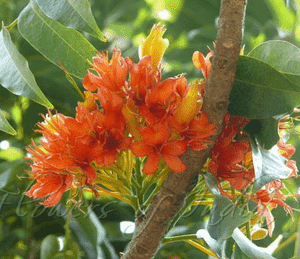
1
Moreton Bay Chestnut flourishes in direct sunlight, needing more than six hours of sun each day.
2
This species can endure some shade, though its growth might be less vigorous.
3
Excessive direct sun exposure can burn foliage, whereas insufficient light results in feeble development.
Grasping Sunlight Needs for Moreton Bay Chestnut
Optimal Illumination Conditions
For the Moreton Bay chestnut's light requirements, full sun is perfect. This means the plant should receive a minimum of 6 hours of direct sunlight daily. In areas with intense sun, morning light or filtered light can help prevent leaf burn. While it thrives in full sun, the Moreton Bay chestnut can endure partial sun. However, less light might slow its development and diminish its vibrant foliage.
Native Habitat Illumination
Originating from Australia's coastal rainforests, the Moreton Bay chestnut naturally experiences filtered sunlight under the forest canopy. In its natural environment, it gets an ideal balance of sun and shade, crucial for healthy growth. Replicating this balance in a home garden or indoor setting ensures the plant flourishes.
Providing the Correct Amount of Indoor Sunlight
Utilizing Natural Light Sources
Position your Moreton Bay chestnut near a south or west-facing window to maximize its exposure to natural light. Ensure the plant receives at least 6 hours of sunlight per day. If direct sunlight is too strong, sheer curtains can filter the light without completely blocking it.
Supplementing with Artificial Illumination
During months with less sun or in homes with limited natural light, supplementing with artificial grow lights can be beneficial. LED grow lights are energy-efficient and provide the necessary light spectrum for plants. Place the grow light approximately 12-18 inches (30-45 cm) above the plant and use it for at least 6-8 hours daily.
Best Indoor Placements
The perfect spot for your Moreton Bay chestnut is near a brightly lit window that receives ample natural sunlight. South-facing windows are best, followed by west-facing windows. Avoid placing the plant directly in drafty areas or next to heating vents, as this can stress the plant and impact its light absorption.
Recognizing Light Stress in Moreton Bay Chestnut
Indicators of Excessive Light
If your Moreton Bay chestnut is exposed to too much light, you might observe the leaves becoming scorched or turning a pale yellow before browning and dying. Leaf tips may also appear crispy. If these signs occur, consider moving the plant to a less intense sun spot or using a sheer curtain to diffuse the light.
Indicators of Insufficient Light
Inadequate light can result in weak growth, elongated stems, and smaller, pale leaves. The plant may also become more vulnerable to pests and diseases. Moving the plant to a brighter location or supplementing with artificial light can resolve this issue.
Seasonal Sunlight Considerations
Spring and Summer
During spring and summer, the Moreton Bay chestnut typically enjoys abundant sunshine. Ensure it receives sufficient water, as increased sunlight will cause the soil to dry out more quickly. This period is also ideal for placing the plant outdoors in a shaded area where it can benefit from natural light without direct, intense sun.
Fall and Winter
As daylight hours decrease in fall and winter, you may need to adjust the plant's position to ensure it continues to receive enough light. If relocating the plant isnât feasible, using grow lights to supplement natural light becomes more crucial. Always monitor the plant for signs of light stress during these seasons.



