How Much Sunlight Do Dwarf Chestnut Need?
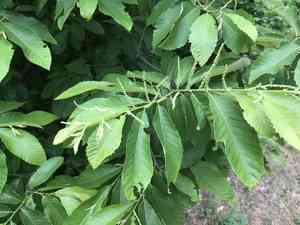
1
Dwarf Chestnut flourishes in ample sunlight, requiring a minimum of 6 hours of direct sun each day.
2
Some shade is acceptable, though it might impact the Dwarf Chestnut's development and productivity.
3
Indications of improper light exposure involve changes in leaf color and inhibited development.
What are the Sunlight Requirements for Dwarf Chestnut?
Optimal Sunlight Exposure
The Dwarf Chestnut flourishes best in full sun. This plant requires a minimum of 6 to 8 hours of direct sunlight daily to ensure robust development and peak photosynthesis. Full sun conditions provide the necessary energy for the plant to yield well and maintain vibrant foliage.
Signs of Insufficient Sunlight
When Dwarf Chestnut lacks adequate sunlight, it displays several clear indicators. Its leaves might start to yellow or become pale, signaling insufficient chlorophyll production. Additionally, the plant may exhibit etiolated growth, where stems stretch excessively in search of light, compromising its structural integrity.
Best Locations for Planting
To guarantee your Dwarf Chestnut receives the correct amount of sunlight, select a site that is exposed to direct sunlight for most of the day. Ideal spots include south-facing garden areas, open spaces free from shadows cast by taller plants or structures, and well-drained locations to prevent root rot.
Can Dwarf Chestnut Grow in Partial Shade?
Effects of Partial Shade on Growth
Dwarf Chestnut can endure partial shade, but its development might be slower, and its yield could be diminished. In shaded environments, the plant may produce fewer and smaller leaves and nuts. While it can survive, the plant's overall health and productive capacity will be less than those grown in full sun.
Adjusting Care for Shaded Areas
If you choose to cultivate Dwarf Chestnut in a partially shaded location, you might need to modify its care regimen. Ensure the plant receives optimal water and nutrient balance, as these conditions may differ from full-sun settings. Additionally, consider regular pruning to prevent overcrowded branches that could further reduce light penetration.
Common Problems Due to Incorrect Sunlight
Leaf Discoloration and Sunburn
Improper sunlight exposure can lead to various foliage issues in Dwarf Chestnut. Excessive exposure may result in leaf sunburn, where leaves develop scorched, brown patches. Conversely, insufficient sunlight can cause yellowing or pale leaves, indicating poor chlorophyll production.
Stunted Growth and Poor Yield
Inadequate sunlight can significantly impact the growth and productivity of Dwarf Chestnut. The plant may exhibit inhibited growth, with leaves and stems smaller than normal. Moreover, the nut yield may be poor, both in quantity and quality, affecting the plant's overall productivity.
How to Monitor and Correct Sunlight Conditions for Dwarf Chestnut
Using Sunlight Measuring Tools
To ensure your Dwarf Chestnut is receiving the optimal amount of sunlight, consider utilizing sunlight measuring devices. Light meters and sunlight applications can help you gauge the light levels in different areas of your garden, helping you select the best planting location.
Adjusting Plant Placement
If you observe your Dwarf Chestnut is not getting enough sunlight, you might need to alter its position. Relocate the plant to a sunnier spot if it's in a container, or trim nearby vegetation that might be casting shadows. Ensure the plant is situated in an area with unobstructed sunlight.
Seasonal Adjustments
Sunlight conditions can vary seasonally, affecting your Dwarf Chestnut. In winter, the sun's angle is lower, and daylight hours are shorter. Therefore, monitoring sunlight throughout the year and making seasonal adjustments, such as moving plants or modifying garden structures, will help maintain the plant's health.
Frequently Asked Questions about Dwarf Chestnut Sunlight
Can Dwarf Chestnut Survive in Low Light?
Dwarf Chestnut is not well-suited for low light environments. While it may endure, its growth will be suboptimal, and it may struggle to produce foliage and nuts. Ensuring at least partial shade is vital for the plant's well-being.
How Many Hours of Sunlight Do They Need?
The Dwarf Chestnut ideally requires 6 to 8 hours of direct sunlight daily. This amount of sunlight ensures the plant can undergo sufficient photosynthesis, promoting healthy growth and maximum yield.



