How Much Sunlight Do Chinese chestnut Need?
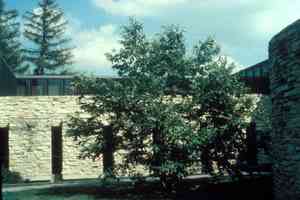
1
Chinese chestnut trees require a minimum of 6 hours of direct solar exposure each day.
2
Full sun is the optimal light condition for Chinese chestnuts.
3
Softer morning light is advantageous for young Chinese chestnut specimens.
Optimal Solar Conditions for Chinese Chestnut
Full Sun Necessities
The Chinese chestnut flourishes most effectively when situated in locales offering extensive solar exposure. Full sun signifies that the tree ought to obtain direct daylight for no less than six hours daily. Indeed, augmented sunlight generally fosters superior development and a more abundant harvest of chestnuts. Ensuring your tree receives ample illumination aids in its robust growth and enhanced disease resistance.
Gauging Sunlight Duration
Ascertaining the period of sunlight in your planting zone is critical. For Chinese chestnut trees, aiming for over six hours of sun is an advantageous benchmark. This can be readily monitored using a solar calculator or simply by observing the site at various intervals throughout the day. The more hours your tree is bathed in solar rays, the healthier and more prolific it will become.
Impact of Early vs. Late Day Sun
Morning and afternoon solar radiation can differentially affect your Chinese chestnut. Early day sun typically presents as cooler and less intense, making it perfect for nascent trees that are still acclimatizing. Late day sun, conversely, is more potent and can occasionally be overly harsh, especially during peak summer months. Providing some afternoon cover can safeguard the tree during exceptionally warm periods.
Methods for Ensuring Adequate Sun Exposure
Choosing the Appropriate Planting Site
The initial step in guaranteeing your Chinese chestnut receives proper sunlight involves selecting an ideal planting location. Opt for an open expanse devoid of substantial constructions or tall arboreal species that could obstruct daylight. Elevated spots are particularly beneficial as they tend to acquire more sunlight throughout the diurnal cycle.
Utilizing Reflective Groundcover
Reflective groundcover can be an outstanding tool to augment solar exposure for your Chinese chestnut. This variety of mulch bounces additional light onto the flora, assisting in maximizing its absorption of sunlight. It is especially beneficial in zones that might not experience continuous full sun exposure.
Preventing Shade from Nearby Obstructions
Refrain from planting your Chinese chestnut adjacent to edifices, fences, or other formations that cast lengthy shadows. Even partial obscuration can markedly influence the tree's development and vitality. Ensure there's a clearance of at least several meters (or feet) from any item that might cause shading.
Indicators of Inappropriate Sunlight Exposure
Symptoms of Solar Burn or Scorch
If a Chinese chestnut is subjected to excessive harsh sunlight, particularly in the afternoon, it may suffer from solar burn or scorching. Manifestations include foliage browning or yellowing, leaf curling, and in severe instances, defoliation. To avert this, consider affording some shade during the warmest segments of the day.
Signs of Insufficient Solar Illumination
Inadequate solar illumination can result in stunted development, sparse foliage, and a diminished chestnut yield. The tree might appear lanky with elongated branches as it strives towards the light source. If you observe these indicators, contemplate pruning adjacent vegetation or relocating the tree to a more sun-drenched position.
Attaining a Balance of Light and Shadow
Achieving an equilibrium between light and shadow is fundamental for optimum growth. While Chinese chestnut trees favor full sun, they can gain from some afternoon shade in notably warm climates. Employing shade cloths or planting in a location where the tree receives morning sun but is protected from the intense afternoon rays can be advantageous.
Common Inquiries Regarding Chinese Chestnut Solar Needs
Can Chinese Chestnut Endure Partial Shading?
Although Chinese chestnut trees prefer full sun, they are capable of tolerating partial shading, particularly in hotter climates. Nevertheless, bear in mind that reduced sunlight may lead to slower growth and a decreased yield of chestnuts.
What Measures to Take if My Garden Lacks Ample Sunlight?
If your garden possesses limited sunlight, consider trimming nearby trees or shrubs to enhance sun exposure. Alternatively, you can cultivate the tree in a container and transfer it to a more luminous location as required. Reflective mulch and consistent observation can also assist in maximizing available sunlight.
How to Safeguard Chinese Chestnut During Extreme Heat?
During periods of intense heat, it is vital to shield your Chinese chestnut from scorching afternoon sun. Employing shade cloths or providing temporary cover with patio umbrellas or similar structures can prevent solar burn. Additionally, ensure the tree is adequately hydrated, as dehydration can aggravate heat stress.



