How Much Sunlight Do American chestnut Need?
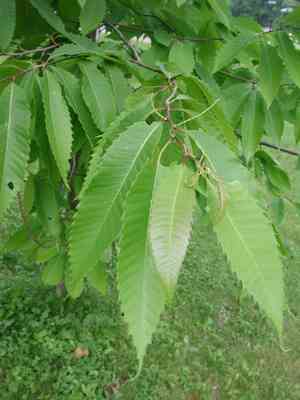
1
The American chestnut flourishes optimally with a minimum of 6 hours of unfiltered sun each day.
2
It is able to endure some shade, yet its growth will be less robust.
3
Adequate sun exposure aids in deterring pests and illnesses in the American chestnut.
Optimal Solar Exposure for the American Chestnut
Full Sun Requirements
The American chestnut thrives in abundant sunlight. It requires a minimum of 6 hours of direct sun daily for proper development and growth. Full sun enables efficient photosynthesis, leading to vigorous and healthy trees. When situated in a location with ample sunlight, the chestnut tree is more likely to yield plentiful and superior quality nuts. Furthermore, good sun exposure can bolster its resistance to certain diseases and pests.
Partial Shade Adaptability
While the American chestnut prefers full sun, it can endure partial shade. In areas where full sun isn't available all day, the tree can still survive and develop. However, it's important to note that growth may be slower, and nut production might be less abundant. Partial shade conditions are typically found in wooded areas or gardens with other tall trees. If planting in such an environment, aim for at least 4-6 hours of direct sunlight to ensure your chestnut tree remains robust and productive.
Achieving Ideal Sunlight Conditions
Prime Planting Locations
To ensure your American chestnut receives optimal sunlight, select a site with minimal shade, ideally facing south or west. Open fields, spacious yards, or areas distant from other tall trees or structures are perfect. Before planting, confirm there are no overhanging branches or nearby objects that could cast shadows during peak sun hours. Additionally, proper spacing is crucial; plant chestnut trees at least 30 feet (9 meters) apart to prevent shading from adjacent trees as they mature.
Seasonal Light Fluctuations
When planning for the American chestnut's sunlight exposure, it's also important to consider seasonal changes. During winter months, the sun's angle is lower, which might reduce the duration of direct sunlight. Conversely, in summer, longer days provide more hours of sunlight. You may need to monitor and adjust the tree's surroundings accordingly, such as pruning nearby trees or shrubs that could obstruct the sun. Maintaining consistent optimal sunlight throughout the year is vital for the tree's continuous growth and well-being.
Impacts of Insufficient Sunlight on American Chestnut
Growth Deficiencies
Without adequate sunlight, the American chestnut can experience several growth-related problems. The tree may grow slowly, develop weak branches, and have pale or yellow leaves due to insufficient photosynthesis. Additionally, poor sunlight exposure can lead to reduced nut production, affecting both quality and quantity. This can be particularly disappointing for those cultivating the trees for their edible nuts. Ensuring the tree gets enough sunlight is fundamental to preventing these growth issues.
Pest and Disease Susceptibility
Inadequate sunlight can also render the American chestnut more vulnerable to pests and diseases. Sunlight plays a critical role in keeping foliage dry, which helps protect against fungal infections and other diseases that thrive in damp, shaded environments. Poor light conditions can create a more welcoming habitat for pests. By ensuring your chestnut tree has sufficient sunlight, you not only boost its growth but also enhance its natural defenses against common tree ailments.
Can American Chestnut Thrive Indoors?
Indoor Sunlight Replication
Cultivating an American chestnut indoors can be quite challenging due to its substantial sunlight requirements. Indoor environments generally lack the intensity and duration of natural sunlight that the tree needs. However, if indoor cultivation is necessary, place the tree in the brightest available spot, ideally near south-facing windows where it can receive maximum natural light. It is crucial to mimic a natural environment as closely as possible to support the tree's growth.
Artificial Illumination Solutions
When natural sunlight is insufficient, artificial lighting can serve as an alternative. High-intensity discharge (HID) lights or full-spectrum LED grow lights can be employed to simulate the sun's rays. These lights should be positioned close to the American chestnut and remain on for at least 6 hours daily to ensure the tree receives the necessary light. While artificial lighting cannot fully replace natural sunlight, it can significantly aid the tree's indoor development.



