How Much Sunlight Do Yellow oleander Need?
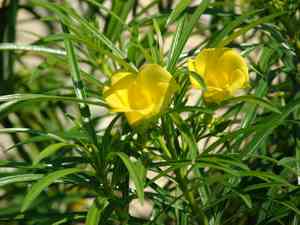
1
Yellow oleander flourishes with more than six hours of direct sun each day.
2
Although it favors full sun, Yellow oleander can endure some partial shade.
3
Observe indicators such as scorched leaves or stretched stems to modify light exposure.
Optimal Illumination Requirements for Yellow Oleander
Full Sun Necessities
For robust growth of your Yellow oleander, providing it with ample direct sunlight is crucial. This means the plant should receive a minimum of six hours of direct sun daily. Full sun aids in developing healthy foliage and vibrant blossoms. Positioning it where it can absorb morning and afternoon rays will lead to peak development. Ensure no other plants or structures obstruct this light.
Partial Shade Adaptability
While Yellow oleander flourishes best in full sun, it is surprisingly resilient and can grow in conditions with some shade. If full sunlight isn't feasible, ensure the plant gets at least 4 to 6 hours of sun, with light shade during the day's hottest period. This tolerance for partial shade makes Yellow oleander a versatile option for various garden environments.
Identifying Light Stress in Yellow Oleander
Indicators of Excessive Sunlight
Like any plant, Yellow oleander can suffer from too much sun exposure. Overexposure can cause symptoms such as leaf scorch, evident as brown or burned edges on the leaves. You might also observe the leaves turning a pale yellow or white. To correct this, consider offering some afternoon shade or moving the plant to a more sheltered location.
Indicators of Insufficient Sunlight
When Yellow oleander doesn't get enough sunlight, it may show signs like elongated or sparse growth, where stems become longer with fewer leaves. Blooms might become less frequent and less vivid in color. If these signs appear, relocating the plant to a brighter spot can help restore its vitality and appearance.
Optimal Placement Strategies for Yellow Oleander
Outdoor Siting Recommendations
When planting Yellow oleander outdoors, select a location that receives abundant sunlight throughout the day. Ideal spots include southern or western exposures where sunlight is most plentiful. Additionally, consider the plant's mature size, ensuring it has sufficient room to expand and thrive without hindrance.
Indoor Cultivation Advice
Cultivating Yellow oleander indoors can be somewhat challenging but manageable with proper conditions. Place the plant in a bright area, such as near a south-facing window where it can capture direct sunlight. If natural light is limited, supplement with artificial grow lights. Ensure the indoor environment closely mimics the plant's outdoor light requirements.
Seasonal Adjustments for Light
As seasons change, so do light conditions. During winter, the sun is lower, reducing the light your plant receives. Consider moving Yellow oleander to a spot with maximum sun exposure during these months. Conversely, in summer, if sunlight becomes too intense, strategic shading can protect the plant from scorching.
Common Questions Regarding Yellow Oleander Light Needs
Can Yellow Oleander Thrive in Dim Light?
Yellow oleander is not well-suited for low light environments. It requires ample sunlight to flourish and maintain its health. In dim light, the plant may become leggy and produce fewer flowers, diminishing its aesthetic appeal.
How Do Seasonal Changes Impact Light Requirements?
Seasonal shifts significantly affect the amount of sunlight Yellow oleander receives. During shorter winter days, ensure the plant is positioned in the sunniest possible spot. In summer, while the plant enjoys bright light, consider providing some shade during peak afternoon hours to prevent leaf burn.
Which Artificial Lights Can Supplement Natural Sunlight?
If natural sunlight is inadequate, especially for indoor plants, consider using fluorescent or LED grow lights. Position these lights approximately 30 cm (12 inches) above the plant and operate them for 12 to 14 hours daily to provide sufficient natural light supplementation.



