How Much Sunlight Do Safflower Need?
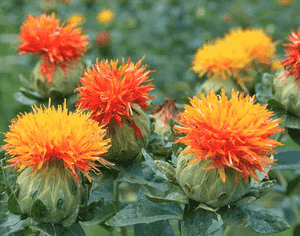
1
Safflower benefits from abundant sunlight, needing a minimum of 6 hours of direct sun daily.
2
Adequate light exposure promotes robust stem growth and brilliant blooms in Safflower.
3
Slight shade is acceptable, though it may lead to fewer flowers on Safflower plants.
Deciphering Safflower's Sunlight Needs
The Importance of Sunlight for Safflower Growth
Sunlight is vital for Safflower because it powers photosynthesis, the natural process where plants transform light energy into chemical energy. This energy drives development, bloom formation, and the plant's overall vitality. Without sufficient sunlight, Safflower won't flourish, making ample light exposure indispensable.
Key Advantages of Sufficient Sunlight
Ample sunlight provides several advantages for Safflower plants:Vigorous Development: Sunlight encourages strong, healthy growth by assisting photosynthesis.Increased Bloom Yield: Proper light exposure leads to more vibrant and abundant flowers.Disease Resilience: Sunlight helps fortify the plant's natural defenses against pests and ailments.
Daily Sunlight Requirements for Safflower
Ideal Hours of Sun Exposure
Safflower plants require at least 6-8 hours of direct sunlight daily to prosper. It is best to ensure full sun, particularly during their critical developmental stages.
Optimal Time of Day for Sun Exposure
The most advantageous time for Safflower to receive sunlight is around noon when the sun's rays are strongest. Morning sunlight is also beneficial as it helps evaporate any overnight moisture, thereby lowering the risk of fungal infections.
Full Sun Versus Partial Shade
While Safflower plants flourish in full sun, they can endure partial shade. However, extended periods of shade may result in stretched growth and fewer blooms. Aim to plant Safflower in a spot that guarantees maximum sunlight exposure.
Optimal Cultivation Conditions for Safflower
Preferred Soil and Hydration Practices
Safflower favors well-draining soil with a pH between slightly acidic and neutral (6.0-7.5). Consistent watering is crucial, especially during dry spells, but it's important to prevent waterlogging. Utilizing a soaker hose or drip irrigation can help maintain appropriate moisture levels.
Temperature and Humidity Considerations
Safflower thrives in temperatures ranging from 70-85°F (21-29°C). While it can withstand brief periods of drought, steady warm temperatures are ideal. Humidity levels should be moderate, and good air movement around the plants aids in preventing fungal issues.
Common Sunlight-Related Issues and Their Resolutions
Indicators of Inadequate Sunlight
Typical signs of insufficient sunlight in Safflower include:Stunted Growth: Limited height and poor leaf development.Elongated Stems: Excessively long and weak stems.Poor Flowering: Reduced or delayed flower production.
Addressing Sunlight Deficiencies
To remedy sunlight deficiency:Reposition Plants: Move potted Safflower to a location with more sun.Trim Surrounding Foliage: Cut back nearby plants or structures that are obstructing light.Utilize Grow Lights: Employ artificial lighting in severe cases or during off-seasons.
Preventing Safflower Sunburn
Even though Safflower loves the sun, extreme heat can lead to sunburn. To avert this:Gradual Acclimation: Introduce young plants to full sun incrementally.Mulching: Apply organic mulch to keep the soil cool and retain moisture.Shading: Provide temporary shade cloths during intense heatwaves.



