How Much Sunlight Do Canna lily Need?
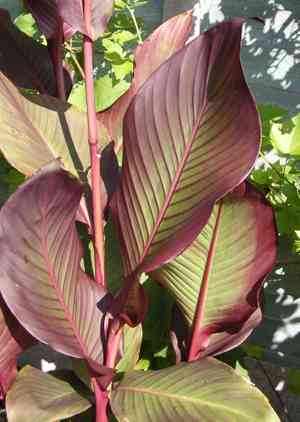
1
Canna lily flourishes optimally in unfiltered sunlight, requiring a minimum of six hours of direct solar exposure each day.
2
Observe for indications of excessive sun, like burnt or discolored foliage, and offer some filtered light if required.
3
Modify sun exposure based on the season; during autumn and winter, relocate containerized Canna Lilies inside or to a less bright area to shield them from severe elements.
What is the Sunlight Requirement for a Canna Lily?
Daily Light Exposure Needs
The Canna lily thrives with abundant sunlight, preferring full sun exposure. For prime development, it should acquire at least 6 hours of direct solar radiation daily. In regions with intense sun, be mindful of extreme heat; providing some afternoon shade might be necessary to avert leaf burn.
Optimal Light Duration
While Canna lilies can endure partial sun, full sunlight guarantees the most vivid blossoms and sturdy stems. Aim for approximately 8 hours of light each day for superior results. If planting in an area with reduced sunlight, consider utilizing reflective mulch to maximize available light.
Prime Spots for Siting Canna Lilies
Outdoor Placement Options
For outdoor settings, select a site that receives full sun throughout the day. Canna lilies are quite adaptable and can flourish in garden beds, borders, and even pots. Ensure the substrate is well-draining and rich in organic matter to support robust development. If positioned near taller structures or trees, verify they won't cast shadows on your Canna lily during peak sun hours.
Indoor Light Considerations
When cultivating your Canna lily indoors, position it near a south or west-facing window to ensure maximum sunlight penetration. Should natural light be insufficient, supplement with horticultural grow lights. These can deliver the essential light spectrum vital for your Canna lily's prosperity. Periodically rotate the plant to guarantee uniform light exposure on all sides.
Indications Your Canna Lily Lacks Sufficient Sunlight
Typical Manifestations
A Canna lily experiencing inadequate sunlight will frequently display characteristic signs such as elongated stems, fewer and smaller flowers, and pale or yellowing foliage. Should these symptoms appear, it suggests your plant requires more illumination to flourish.
Solutions for Light Deficiency
To address insufficient light, try moving your Canna lily to a brighter location. If growing indoors, contemplate using artificial grow lights to boost light exposure. Ensuring your plant receives the correct amount of sunlight will aid in its recovery and renewed vigor.
Safeguarding Canna Lilies from Excessive Sun
Signs of Sun Damage
Too much sunlight can lead to sunburn or leaf scorching, evident as brown, crispy patches on the leaves. These symptoms indicate that your Canna lily is receiving an abundance of direct sunlight and needs some protection.
Preventative Strategies
To shield your Canna lily from intense sun, consider offering partial shade during the hottest parts of the day. Employ shade cloth or plant it in a spot where it receives morning sun and afternoon shade. Furthermore, maintaining adequate soil moisture helps keep the plant cool and mitigates sun-induced harm.
Adjusting Sunlight Exposure for Seasonal Variations
Spring and Summer Adjustments
During spring and summer, ensure your Canna lily is situated to receive ample sunlight. These seasons are typically when the plant is actively growing and blooming, making full sunlight indispensable for its development. Regularly monitor soil moisture, as elevated temperatures can accelerate evaporation.
Fall and Winter Adjustments
In fall and winter, solar intensity and duration diminish, which can impact your Canna lily. For outdoor specimens, consider applying mulch around the base to retain soil warmth. If in a container, relocating it indoors or to a less intensely lit spot can guard it against frost and cold damage. Ensure it still receives some light, but reduce irrigation to prevent root rot.



