How Much Sunlight Do Incense cedar Need?
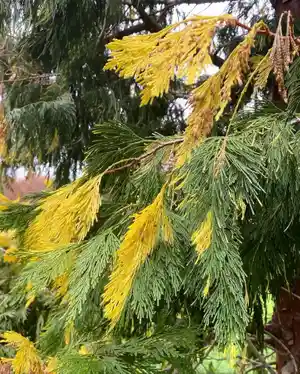
1
Incense cedar flourishes optimally with direct sunlight for a minimum of 6 hours each day.
2
Some shade is acceptable, though it might impact development and vitality.
3
Excessive sun can lead to scorching, whereas insufficient light may cause feeble development.
Why is Light Crucial for Incense cedar?
Photosynthesis and Development
Light is vital for the Incense cedar as it powers photosynthesis, the process plants use to convert light into energy. This energy fuels development, supporting the formation of strong trunks, healthy roots, and abundant foliage. Without sufficient light, your Incense cedar will struggle to grow correctly and reach its full potential.
Light and Wellness
Light also plays a key role in the overall well-being of the Incense cedar. Adequate light exposure helps prevent diseases and pests by maintaining the tree's vitality. It also ensures the tree's immune system stays strong, enabling it to ward off bacterial infections, fungi, and other common ailments.
Optimal Light Conditions for Incense cedar
Full Sun to Partial Shade
The Incense cedar thrives best in conditions where it receives full sun, meaning approximately six hours of direct sunlight daily. It can also endure partial shade, but this reduced exposure might slow growth and diminish the tree's overall health. Whether in your garden or a larger landscape, try to place your Incense cedar where it gets the most light throughout the day.
Daily Light Duration
To maintain your Incense cedar at its healthiest, aim for it to receive at least six hours of direct light each day. This doesn't necessarily need to be continuous light; periods of light spread throughout the day can also suffice. For instance, three hours in the morning and three in the late afternoon can be beneficial if full-day exposure isn't an option.
What Happens if Incense cedar Gets Too Much or Too Little Light?
Signs of Excessive Exposure
Excessive light exposure can lead to sunburn on the Incense cedar's foliage. Signs of sunburn include browning or scorched leaves and premature leaf drop. If you observe these symptoms, consider providing some shade during the hottest parts of the day or relocating the tree to a spot with more balanced light exposure.
Effects of Insufficient Light
Conversely, inadequate light can impede the Incense cedar's growth. Symptoms include sparse foliage, elongated and weak branches, and a generally less vigorous appearance. A lack of light can also make the tree more vulnerable to pests and diseases. If your cedar looks less than its best, assess its light situation and make adjustments as needed, such as pruning nearby plants that cast too much shade.
How to Ensure Proper Light for Incense cedar
Location Selection
Choosing the correct planting site is crucial for ensuring your Incense cedar receives the appropriate amount of light. Look for an area that gets ample direct light for most of the day. Avoid low-lying areas prone to shade or dampness that could harbor diseases. Elevated or level ground that receives abundant light is ideal.
Seasonal Adjustments
Light exposure can vary with the seasons. During spring and summer, the Incense cedar can receive the full extent of the light it needs. However, in fall and winter, the sun's position changes, and trees might not get as much light. In these seasons, ensure no barriers (like fast-growing shrubs or seasonal plants) block the cedar's access to light. Trimming these obstructions can help maintain good light exposure year-round.



