How Much Sunlight Do Weeping bottlebrush Need?
1
Weeping bottlebrush flourishes most effectively when exposed to full sun, receiving more than 6 hours of direct sunlight each day.
2
The plant can withstand conditions of partial sun, though its blooming may not be as abundant.
3
Weeping bottlebrush specimens kept indoors require placement in the most illuminated location possible, ideally by a window facing south.
The Vital Role of Sunlight for Weeping Bottlebrush
Photosynthesis and Development
Sunlight is indispensable for Weeping bottlebrush primarily for photosynthesis, the biological process where plants transform light energy into chemical energy. This energy then fuels the plant's overall growth and maturation. Without enough sunlight, your Weeping bottlebrush cannot generate sufficient energy, leading to hindered development and poor health.
Flowering and Bloom Cycles
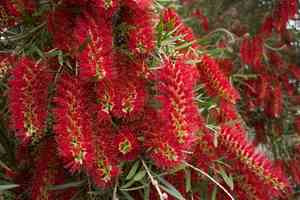
Sunlight plays a crucial part in the bloom and flowering cycles of Weeping bottlebrush. Adequate light exposure encourages the plant to produce its characteristic vivid red bottlebrush-shaped flowers. Insufficient sunlight can lead to fewer blossoms or subpar flowering, which reduces the plant's decorative appeal.
Optimal Light Conditions for Weeping Bottlebrush
Full Sun vs. Partial Sun Exposure
Weeping bottlebrush thrives in full sun, meaning it should receive over 6 hours of direct sunlight each day. While it can endure partial sun conditions, approximately 3 to 6 hours of direct light, its flowering may be diminished, and its vigor potentially reduced. For peak performance, aim for full sun exposure.
Ideal Daily Illumination Hours
To flourish, your Weeping bottlebrush should ideally receive between 6 to 8 hours of direct sunlight daily. Position your plant in an area that gets ample morning and early afternoon sun to ensure it obtains the light necessary for vigorous growth and abundant blooms.
Indicators Your Weeping Bottlebrush Needs More or Less Light
Symptoms of Excessive Sunlight
Although Weeping bottlebrush loves sunshine, too much intense light can be detrimental. Signs of overexposure to sunlight include scorched or yellowed foliage, wilting despite consistent watering, and general stress. If these symptoms appear, consider relocating your plant to a slightly shadier spot or providing protection during the day's hottest hours.
Symptoms of Insufficient Sunlight
If your Weeping bottlebrush isn't getting enough light, you might observe elongated, stretched growth as the plant reaches for a light source, or pale leaves due to inadequate chlorophyll production. Additionally, a scarcity of blooms or fewer flowers can indicate insufficient light exposure.
Adapting Sunlight for Diverse Growing Environments
Indoor Cultivation Advice
When cultivating Weeping bottlebrush indoors, position it near the brightest window available, ideally a south-facing one, to maximize light reception. If natural light is inadequate, consider supplementing with grow lights, ensuring your plant gets approximately 12 to 14 hours of light daily to mimic outdoor conditions.
Outdoor Cultivation Advice
For outdoor growth, select a garden location where the plant will receive full sun for most of the day. Ensure good air circulation to prevent overheating and offer some afternoon shade if your region experiences extremely high temperatures to prevent leaf burn.
Seasonal Light Adjustments for Weeping Bottlebrush
Adapting to Summer Sun Intensity
During summer, sun intensity can be especially strong. To safeguard your Weeping bottlebrush, consider providing some afternoon shade, particularly in areas with harsh sunlight. This can be achieved using shade cloths or by strategically placing taller plants nearby to offer some respite from the intense sun.
Winter Light Considerations
In winter, sunlight is generally less intense, and daylight hours are shorter. Ensure your Weeping bottlebrush is situated in the sunniest available spot. If growing the plant indoors during this season, supplementary grow lights can help maintain adequate light levels for continuous growth and health.



