How Much Sunlight Do Bottlebrush Need?
1
Bottlebrush requires a minimum of 6 hours of direct solar exposure daily for optimal growth.
2
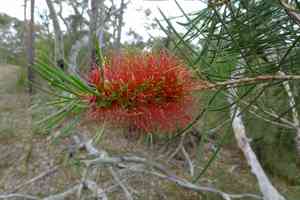
Adequate light conditions can greatly intensify the brilliant red flowers of the Bottlebrush.
3
Bottlebrush is capable of enduring some shade, but its blooming might not be as abundant compared to full sun environments.
Why Is Sunlight Important for Bottlebrush?
Photosynthesis and Growth
Sunlight is vital for the Bottlebrush because it powers photosynthesis. This process allows the plant to transform light energy into chemical energy, promoting robust development. Sufficient sunlight results in strong stems, abundant foliage, and the formation of the distinctive, brush-like flowers the plant is known for.
Health and Vigor
Proper sunlight contributes to the general health and strength of the Bottlebrush. With ample light, the plant not only thrives but also develops increased resistance to pests and diseases. Sunlight exposure strengthens the Bottlebrush, enabling it to maintain lush leaves and vigorous growth, which are signs of a healthy plant.
What Is the Ideal Sunlight Exposure for Bottlebrush?
Full Sun
The Bottlebrush flourishes best in full sun, requiring a minimum of 6 hours of direct sunlight daily. Full sun exposure encourages the plant to produce its characteristic bright red flowers in profusion, making it a stunning feature in any garden. Optimal sunlight not only ensures abundant blooms but also intensifies their color.
Partial Sun
While Bottlebrush can endure partial sun, it truly performs best in full sunlight. When placed in areas receiving partial sun, particularly spots with only 3-6 hours of light daily, the plant may still grow but with less impressive blooming. If full sun isn't possible, providing morning sunlight can help sustain its health.
Can Bottlebrush Tolerate Shade?
Shade Tolerance Limits
Bottlebrush plants have limited capacity to endure shade. While occasional shade will not be harmful, prolonged exposure to shade can hinder their growth and flower production. Ideally, they should not be positioned in dense shade, as it can weaken the plant over time.
Potential Issues in Shade
Cultivating Bottlebrush in shaded conditions can lead to several complications. These include leggy development, where the plant stretches toward light, resulting in fragile and elongated stems. Furthermore, the frequency and intensity of flowering may decrease, diminishing the plant's visual appeal. Ensure your Bottlebrush receives adequate light to prevent these problems.
How to Ensure Proper Sunlight for Indoor Bottlebrush
Positioning Near Windows
For indoor Bottlebrush plants, optimal sunlight can be achieved by placing them near south or west-facing windows, where they can receive the most light. Ensure the plant is positioned to get direct sunlight, especially during peak daylight hours, to replicate outdoor conditions as closely as possible.
Supplemental Lighting Options
If sufficient natural light is unavailable, particularly during colder months, consider using artificial lighting. Full-spectrum grow lights can effectively provide the necessary light intensity and spectrum for photosynthesis. Position these lights approximately 12-18 inches (30-45 cm) from the plant, aiming for 14-16 hours of light exposure per day to support its growth.
Common Sunlight-Related Problems for Bottlebrush
Sunburn and Scorch
Despite its preference for sunlight, Bottlebrush can suffer from sunburn if suddenly moved to intense light after a period of lower light levels. This is especially common when relocating an indoor plant outdoors. Symptoms of sunburn include yellowing or browning leaves. Gradually acclimating the plant to more sunlight can help avoid this issue.
Growth Issues
Insufficient sunlight can lead to several developmental problems. Bottlebrush plants deprived of adequate light may display stunted growth, fewer and smaller flowers, and overall poor health. Ensuring your plant receives the correct amount of light is vital for preventing these growth-related issues.



