How Much Sunlight Do Crimson bottlebrush Need?
1
Crimson bottlebrush flourishes with a minimum of six hours of direct sun each day.
2
The ability of Crimson bottlebrush to withstand some shade makes it a good fit for moderately shaded areas.
3
Observe for foliage discoloration, as this indicates your Crimson bottlebrush requires increased sun exposure.
The Importance of Sunlight for Crimson Bottlebrush
Energy Production and Development
Sunlight is vital for photosynthesis, the process where plants convert light into energy. For the Crimson bottlebrush, ample sunlight fuels its strong development, keeping it vibrant and vigorous. Without sufficient light, this plant may struggle to maintain its lush green leaves and robust stems.
Bloom Formation and Rich Coloration
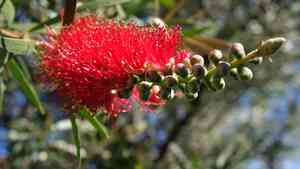
The Crimson bottlebrush is celebrated for its striking red blooms that bring vivid color to any garden. These flowers thrive best in full sun; abundant sunlight prompts the plant to produce more blossoms and ensures their hues are intense.
Best Sunlight Conditions for Crimson Bottlebrush
Full Sun Exposure
For peak health and growth, the Crimson bottlebrush benefits from full sun exposure. This means the plant should receive a minimum of 6 hours of direct sunlight daily. Plentiful sunlight allows the plant to develop a dense, bushy form, resulting in numerous iconic crimson flowers.
Tolerance for Partial Shade
While the Crimson bottlebrush prefers full sun, it can withstand partial shade conditions. If full sun exposure is not achievable, the plant can still flourish with partial sun, receiving approximately 3-6 hours of sunlight. However, note that under such conditions, the plant might produce fewer blooms.
Indicators Your Crimson Bottlebrush Needs More Sun
Elongated Growth
If your Crimson bottlebrush begins to exhibit elongated, weak stems with sparse foliage, it's a sign it's not getting enough sunlight. This etiolated growth occurs when the plant stretches to find more light.
Reduced Bloom Production
One of the clearest signs of insufficient sunlight is a decrease in flowering. Your Crimson bottlebrush might produce fewer blossoms or have a shorter blooming period if it isn't receiving adequate light.
Faded or Yellowing Foliage
Pale or yellowing leaves can indicate a lack of sunlight. Without enough light, the plant's chlorophyll production is impacted, leading to discoloration in the leaves.
Ensuring Optimal Sunlight for Your Crimson Bottlebrush
Selecting the Right Planting Spot
To ensure your Crimson bottlebrush receives enough sunlight, carefully select its planting location. Choose a spot that gets unobstructed sunlight for most of the day, away from large trees or structures that may cast lengthy shadows.
Supplementing with Artificial Lighting
If natural sunlight is inadequate, particularly during winter months, consider supplementing with artificial grow lights. Position the lights to provide extra hours of illumination, ensuring the plant gets close to 6 hours of effective light exposure.
Seasonal Sunlight Considerations
Different seasons offer varying amounts of sunlight. During shorter winter days, monitor your Crimson bottlebrush to ensure it continues to receive sufficient light. You may need to relocate the plant to a brighter spot or utilize artificial lighting.
Common Issues Arising from Sunlight Problems
Sunburn and Leaf Scorch
Excessive exposure to intense sunlight can cause sunburn or scorching of the leaves in Crimson bottlebrush. Look for brown or crispy leaf edges as indicators. Ensuring moderate, consistent sunlight and avoiding harsh afternoon sun can prevent this issue.
Root and Soil Temperature Management
Bright, direct sunlight can elevate soil and root temperatures, potentially stressing the plant. Applying mulch around the base helps keep roots cool and maintains soil moisture. Regular watering also fosters a comfortable root environment.



