How Much Sunlight Do Purple beautyberry Need?
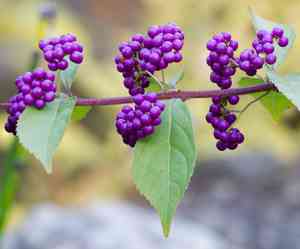
1
Purple beautyberry flourishes optimally when exposed to full sun, requiring a minimum of 6 hours of direct solar exposure each day.
2
Although it can withstand some partial shade, inadequate light may diminish its flowering and fruit yield.
3
Employing a light meter can assist in precisely gauging the amount of sunlight your Purple beautyberry is getting.
What are the Ideal Sunlight Conditions for Purple beautyberry?
Full Sun Requirements
For optimal growth, Purple beautyberry should be cultivated in an area that receives full sunlight. Full sun signifies at least six hours of direct solar exposure daily. This amount of light is vital for the plant's overall health, vitality, and especially for abundant berry production. You will observe a more robust and vibrant specimen when it is bathed in ample daily sunlight. Strong solar exposure promotes the development of the plant's characteristic beautiful lavender-hued berries.
Partial Shade Tolerance
Purple beautyberry exhibits some capacity to endure partial shade. If you reside in an area where consistent full sun is impractical or too intense, the plant can still thrive with a few hours of filtered or indirect sunlight. However, be aware that while it can survive in partial shade, its flowering and berry yield may not be as prolific as plants cultivated in full sun. Ideally, aim for a minimum of three to four hours of direct sunlight, complemented by dappled shade for the remainder of the day.
Impact of Low Light Conditions
Cultivating Purple beautyberry in low light environments is not advisable. In regions with insufficient solar exposure, the plant may become spindly, developing elongated stems and sparse foliage as it stretches towards light. This stress can lead to diminished flowering and a significant decrease in berry production, which are the plant's defining attributes. Furthermore, a weakened plant is more vulnerable to pests and diseases. Therefore, ensuring adequate sunlight is crucial for maintaining the vigor and aesthetic appeal of your Purple beautyberry.
How to Measure Sun Exposure for Purple beautyberry
Using Light Meters
A light meter serves as a useful device for accurately determining the amount of sunlight your outdoor area receives. By positioning the light meter in various locations where you intend to plant the Purple beautyberry, you can obtain precise measurements of light intensity throughout the day. These readings can assist you in placing your plant in an optimal location for sunlight exposure. Light meters are readily available at many garden centers and online retailers, making them accessible tools for any gardening enthusiast.
Monitoring Sunlight Patterns
Observing the patterns of sunlight in your garden is another effective method for assessing sun exposure. Dedicate several days to noting how sunlight traverses your garden space, tracking precisely where and when direct sunlight illuminates different areas. Early morning and late afternoon light can vary in intensity and duration compared to midday sun. Create a sunlight map, marking zones with full sun and partial shade. This map will be invaluable in guiding your selection of the perfect planting site for your Purple beautyberry.
Best Locations for Planting Purple beautyberry
Choosing a Planting Site
When selecting a spot to plant your Purple beautyberry, seek a location that provides full sun for the majority of the day. An eastern or southern exposure is often ideal, as it receives ample sunlight. Ensure the soil drains effectively, as waterlogged conditions can lead to root rot. A raised garden bed or a gentle slope can enhance drainage, promoting the health and resilience of your Purple beautyberry.
Considering Proximity to Structures
The closeness to buildings, fences, or other structures can influence the amount of sunlight your plant receives. Be mindful of the shadows these structures cast throughout the day. Position your plant at a sufficient distance from obstructions that might block sunlight, especially during the critical midday hours when sunlight is most potent. Overhanging branches from nearby trees can also create shade, so ensure there is adequate clearance for full sunlight to reach your Purple beautyberry.
Avoiding Obstructions
Ensure your Purple beautyberry is not situated near objects that could impede its access to sunlight. Garden furnishings, larger shrubs, or decorative elements can cast shadows, thereby reducing the plant's exposure to necessary sunlight. Remove such impediments or adjust their placement to maximize solar access for your Purple beautyberry. Open areas devoid of shading elements are prime planting locations.
Signs of Improper Sunlight Exposure in Purple beautyberry
Symptoms of Sunburn
Excessive direct sunlight, particularly in very hot climates, can cause sunburn on your Purple beautyberry. Indicators of sunburn include scorched or yellowed leaves, and the plant may appear parched or wilted, especially if insufficient water is provided. If these symptoms are observed, consider offering temporary shade during the hottest part of the day or relocating the plant to a slightly more shaded position if feasible.
Indications of Insufficient Light
When a Purple beautyberry does not receive adequate light, it may display several signs. These include sparse foliage, elongated stems, and reduced or absent berry production. The leaves might become a darker green as the plant attempts to optimize photosynthesis with limited available light. If these signs are noted, consider moving the plant to a sunnier location or pruning nearby plants that may be casting excessive shade.
Corrective Measures
If your Purple beautyberry exhibits signs of improper sunlight exposure, corrective actions are essential. For sunburn, apply a shade cloth during peak sunlight hours and ensure consistent hydration. To remedy insufficient light, prune surrounding vegetation to enhance sunlight penetration, or if possible, transplant the Purple beautyberry to a site with superior sun exposure. Prompt monitoring and adjustment of conditions can aid the plant's recovery and flourishing.
Frequently Asked Questions About Purple beautyberry Sunlight Needs
Can Purple beautyberry Grow Indoors?
Cultivating Purple beautyberry indoors presents challenges due to its substantial sunlight requirements. Indoor light levels rarely match the intensity and duration of outdoor sunlight. However, if you possess a greenhouse or a very bright, sunlit room that receives abundant direct sunlight, it might be achievable. Utilize supplemental grow lights designed for plants to replicate the necessary sunlight.
How Much Direct Sunlight is Too Much?
Purple beautyberry typically thrives with ample direct sunlight. Nevertheless, if you reside in an extremely hot climate, excessive direct sunlight during peak afternoon hours can lead to leaf scorch. Providing partial shade during the hottest part of the day or employing a shade cloth can prevent damage while still allowing the plant to receive sufficient sunlight.
Can Artificial Lighting Substitute Natural Sunlight?
Artificial lighting can be utilized to complement natural sunlight if your outdoor area does not provide enough. High-intensity grow lights that emulate the full spectrum of natural sunlight can help fulfill the Purple beautyberry's light demands. Ensure the lights are active for at least the equivalent of full sun hours (6-8 hours) to maintain the plant's health and productivity.



