How Much Sunlight Do American beautyberry Need?
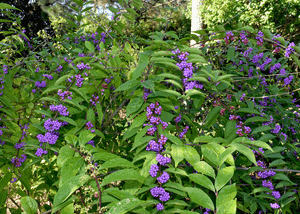
1
American beautyberry generally flourishes with a minimum of 6 hours of direct sun each day.
2
This plant can endure some shade, though its berry yield might be diminished.
3
In moderate regions, American beautyberry might require shielding from strong midday sunlight.
Ideal Light Conditions for American beautyberry
Full Sun vs. Partial Shade
For optimal light, the American beautyberry thrives in full sun, meaning it should get at least six hours of direct sunlight daily. However, it's quite adaptable and can tolerate some partial shade. In partial shade, berry production might decrease, but the plant will still flourish. If afternoon sun is intense, providing some shade during the hottest hours can prevent leaf scorch and stress.
Daily Sunlight Duration
The ideal range for American beautyberry is 6 to 8 hours of direct sunlight each day. This amount promotes vigorous growth and abundant, vibrant berries. In regions with very strong sun, morning sun with afternoon shade might be the best balance. Monitoring daily sunlight hours helps optimize the plant's location for maximum growth and berry yield.
Modifying Sunlight Exposure for American beautyberry
Choosing a Planting Site
Selecting the correct planting spot is vital for your American beautyberry to receive adequate sunlight. Find a garden area that gets plenty of morning sun and some afternoon shade, especially in warmer climates. Utilize existing trees or structures to filter strong afternoon rays. If potted, you have more flexibility to reposition the plant for optimal light exposure.
Using Shade Cloth or Screens
In areas with extremely intense sunlight, shade cloth or screens can help reduce excessive sun exposure. These tools offer enough shade to protect your American beautyberry from leaf burn without significantly reducing necessary sunlight. Choose a light shade cloth that allows ample diffused light to reach the plant. This is a practical solution if leaves show signs of discoloration or crispiness from too much sun.
American beautyberry in Various Climates
Tropical and Subtropical Regions
In tropical and subtropical climates, American beautyberry can flourish with minimal intensive care. These environments naturally provide favorable growing conditions with ample sunlight and warmth. Morning sun combined with some afternoon shade is perfect to prevent overheating. Regular checks for sunburn will keep the plant in prime condition. Mulching also helps retain soil moisture and keeps roots cool.
Temperate Regions
In temperate climates, the American beautyberry benefits from seasonal shifts. During hot summers, it's wise to provide some afternoon shade to protect the plant from sun damage. Conversely, in cooler months, ensure the plant receives as much sunlight as possible. Also, consider the sun's angle throughout the seasons and adjust the plant's position or use reflective surfaces to maximize sunlight exposure during shorter, cooler days.
Common Sunlight-Related Issues for American beautyberry
Symptoms of Excessive Sun
Too much sun can cause American beautyberry leaves to scorch, turning them brown, crispy, and potentially leading to leaf drop. Other indicators include discoloration and dry, brittle foliage. If these symptoms appear, consider moving the plant to a shadier spot or using shade cloth to reduce direct sunlight during the hottest parts of the day. Consistent watering and mulching can also help mitigate the effects of too much sun.
Symptoms of Insufficient Sunlight
Conversely, inadequate sunlight can lead to leggy growth, where the plant stretches towards the light source, resulting in a spindly and unattractive form. Leaves may also become pale, and berry production can be significantly reduced. If your American beautyberry shows these signs, it might be time to move it to a sunnier location where it can receive at least 6 hours of direct sunlight daily. Regular pruning encourages a bushier growth habit.
Tips for Ensuring Proper Sunlight for American beautyberry
Seasonal Light Adjustments
Adjusting sunlight exposure throughout the year ensures consistent growth for your American beautyberry. During winter, maximize the plant's sunlight intake. In summer, monitor for signs of excessive sun and provide afternoon shade if needed. Regularly changing the plant's position, especially when potted, helps maintain optimal sunlight exposure year-round.
Companion Planting Strategies
This technique can effectively manage sunlight for your American beautyberry. Planting taller or sun-loving plants nearby can offer necessary shade without completely blocking sunlight. Consider companions like native grasses or shrubs that provide filtered shade and also thrive in similar conditions. This strategy not only helps manage light but also fosters a more diverse and resilient garden ecosystem.



