How Much Sunlight Do Red powderpuff Need?
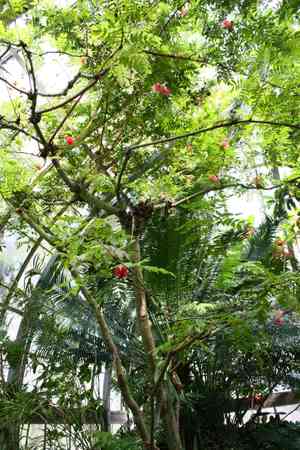
1
For optimal growth, the Red powderpuff requires a minimum of 6 hours of direct sunlight each day.
2
Morning sun provides a softer illumination and poses less risk of leaf burn than intense afternoon light.
3
While Red powderpuff can endure some shade, it exhibits more vigorous growth in full sun conditions.
Ideal Light Conditions for Red powderpuff
Optimal Daily Sun Exposure
The Red powderpuff thrives when exposed to a minimum of six hours of direct sunlight daily. Providing your plant with adequate light is crucial for its development, bloom production, and overall vitality. While it can withstand some partial shade, increased sun exposure generally results in a greater abundance of its stunning, colorful blossoms.
Morning vs. Afternoon Light
Though Red powderpuff enjoys ample sunlight, the timing of this exposure is key. Morning sun is particularly beneficial, especially in warmer regions, as it offers essential light without the intensity that can cause leaf burn. Conversely, afternoon sun can be harsh and may cause the plant stress. Therefore, if feasible, orienting your plant to receive more morning light and some afternoon shade can help preserve its health and vibrancy.
Ensuring Proper Light for Your Red powderpuff
Selecting an Appropriate Spot
Choosing the right location for your Red powderpuff is vital. For outdoor planting, pick a site that gets full sun but also offers some dappled shade during the warmest part of the day. Patios, south-facing garden areas, or spots with abundant morning sun are excellent options. Indoors, position the plant near a window that receives plenty of light. If natural light is insufficient, consider using supplemental grow lights.
Utilizing Supplemental Lighting
If you reside in an area with limited natural light, grow lights can serve as an effective substitute. Position the grow lights approximately 30 centimeters (1 foot) above the plant to replicate natural sunlight. Opt for full-spectrum LED lights, which are designed to deliver a balanced light spectrum essential for photosynthesis. By complementing natural light with grow lights, you can guarantee your Red powderpuff receives the necessary illumination irrespective of the season.
Indications of Light Imbalance in Red powderpuff
Signs of Insufficient Light
A Red powderpuff that lacks adequate sunlight will display several symptoms. You might observe elongated, sparse stems as the plant stretches towards light, known as leggy growth. Additionally, reduced or absent flowering can signal insufficient light. If your plant's leaves begin to fade from their vibrant green to yellow, it's a clear indication that more light is required.
Signs of Excessive Light
Conversely, too much direct sunlight, especially during peak afternoon hours, can lead to scorched leaves. Symptoms include browning on the edges and tips of the foliage, making the plant appear stressed and unhealthy. If you notice crispy or curled leaves, it may be time to provide some protection from the sun during the hottest part of the day. Placing the plant where it receives filtered sunlight in the afternoon can alleviate this issue.
Seasonal Light Adjustments for Red powderpuff
Light Needs in Spring and Summer
During the spring and summer months, your Red powderpuff will be actively growing and flowering. This period requires the most ample sunlight to encourage vigorous growth and prolific flower production. Longer daylight hours naturally align with the plant's needs, making these seasons ideal for its development and beauty.
Light Modifications in Fall and Winter
As daylight hours shorten in the fall and winter, you'll need to adjust the plant's light exposure. If grown indoors, move the plant closer to windows that receive the most light, or continue using grow lights to compensate for reduced daylight. For outdoor plants, consider relocating them to a sunnier spot or providing additional light sources. Adapting to seasonal changes ensures your Red powderpuff remains healthy throughout the year.



