How Much Sunlight Do Seaside petunia Need?
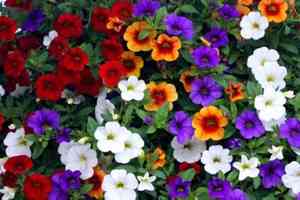
1
To achieve peak growth, Seaside petunias require a minimum of 6 hours of direct sunlight each day.
2
Seaside petunias thrive in full sun, though they can endure some partial shade.
3
Employing shade cloth can shield Seaside petunias from intense solar radiation.
The Importance of Sunlight for Seaside Petunias
Photosynthesis and Development
Sunlight is vital for Seaside petunias as it powers photosynthesis. Through this process, plants convert solar energy into fuel for their growth and development. Without enough light, Seaside petunias may show stunted development and weak stems. This energy deficit can prevent the plant from reaching its full size and vigor.
Blooming and Flower Quality
Sunlight is also critical for the blooming process and the overall quality of flowers. Seaside petunias need ample sunlight to produce vibrant and plentiful blooms. Insufficient light can lead to fewer flowers and reduced color intensity. Therefore, for a lush and colorful garden, ensuring these plants get enough sun is crucial.
Optimal Sunlight Conditions for Seaside Petunias
Full Sun vs. Partial Shade
Seaside petunias thrive best in full sun. This means they should receive direct sunlight for at least 6-8 hours daily. However, they can tolerate partial shade, especially in very hot climates. Partial shade can help prevent scorching during peak sun hours, though too much shade can hinder their growth and bloom quality.
Daily Light Requirements
For healthy growth and vibrant flowers, Seaside petunias require a minimum of 6 hours of sunlight each day. However, aiming for closer to 8 hours can yield even better results. It's essential to find a garden spot that receives consistent sunlight throughout the day for these plants.
Impact of Insufficient Sunlight on Seaside Petunias
Indicators of Light Deficiency
When Seaside petunias lack sufficient sunlight, they display clear signs of stress. Common symptoms include leggy growth, where the plant becomes elongated and sparse. Leaves may also lose their vibrant green color and appear pale. Additionally, the number and quality of blooms will significantly decrease. If these signs are observed, it indicates the plant needs more light.
Potential Health Concerns
Inadequate sunlight can lead to various health issues for Seaside petunias. Without proper light, the plant's immune system weakens, making it more vulnerable to diseases and pests. Common problems include fungal infections and infestations by aphids or spider mites. Ensuring adequate sunlight is a preventative measure against these health issues.
Managing Sunlight Exposure for Seaside Petunias
Practical Tips for Outdoor Cultivation
When growing Seaside petunias outdoors, it's crucial to select a location that receives ample sunlight. Look for a south-facing area in your garden, as these typically get the most sun. If you live in a region with intense midday sun, consider providing some shade during peak hours to prevent sunburn. Rotate pots occasionally to ensure all parts of the plant receive equal sunlight exposure.
Utilizing Shade Cloth and Other Aids
In extreme sun conditions, using shade cloth can protect your Seaside petunias from sunburn. Shade cloths can filter a significant percentage of the sun's rays, reducing the risk of overexposure. Tools like garden umbrellas or strategic planting of taller plants can also create shaded areas. These methods ensure plants get necessary light without harmful levels of UV radiation.
Can Seaside Petunias Withstand Excessive Sun?
Signs of Sunburn or Overexposure
While Seaside petunias love the sun, too much can be detrimental. Signs of overexposure include scorched leaves, which appear brown and crispy, and wilting despite adequate watering. Sunburned plants may also exhibit slowed growth and less vibrant flowers. Early observation of these symptoms can help in taking corrective action.
Preventative Measures
Preventing overexposure involves regularly monitoring your plants, especially during heatwaves. Consider using shade cloths or relocating your plants during the hottest part of the day. Ensuring they are well-watered can also help mitigate the effects of excess sun. Mulching around the plant's base can retain moisture and keep roots cool.



