How Much Sunlight Do Chinese box Need?
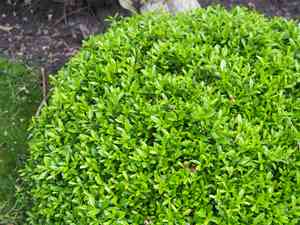
1
Chinese box performs optimally when exposed to morning sunlight and shaded partially during the latter part of the day.
2
Refrain from positioning your Chinese box in direct afternoon sun to protect its foliage from scorching.
3
Periodically observe your Chinese box for indicators of excessive sun exposure to guarantee its best development.
Optimal Light Conditions for Chinese Boxwood
Desired Light Exposure
Chinese boxwood flourishes in conditions ranging from full sun to partial shade, meaning it benefits from at least six hours of direct sunlight daily. Ideally, this plant performs best with a mix of bright morning light and some defense from intense afternoon rays.
Morning Light vs. Afternoon Light
Morning sun is perfect for Chinese boxwood as it's typically less harsh and provides beneficial illumination without causing stress. Receiving direct morning light allows this plant to photosynthesize effectively. However, stronger afternoon sun can lead to potential leaf burn or desiccation, making partial shade or filtered light during this period more suitable.
Tolerance for Partial Shade
Chinese boxwood is quite flexible and handles partial shade better than many other sun-loving plants. If situated in an area with limited direct sunlight, ensure the plant gets dappled light or intermittent sun for at least a portion of the day. This level of exposure helps the plant grow steadily without the danger of overexposure.
Recognizing Light-Related Stress in Chinese Boxwood
Symptoms of Overexposure
Excessive sunlight can cause Chinese boxwood to display symptoms such as leaf yellowing or browning, scorching of foliage, or dry, brittle leaves. If these signs appear, it clearly indicates the plant is receiving too much direct sunlight, particularly during the warmest hours.
Signs of Insufficient Illumination
Conversely, inadequate light can result in Chinese boxwood showing pale or dull leaves, elongated and stretched growth, and reduced vigor. These indicators suggest the plant isn't getting enough sunlight, which can hinder its overall health and development.
Modifying Light for Peak Growth
Employing Shade Cloths
To safeguard your Chinese boxwood from excessive sunlight, especially during the sweltering summer months, consider utilizing shade cloths. These can effectively filter out a portion of direct sunlight, lowering the risk of leaf scorch and dehydration while still allowing adequate light for photosynthesis.
Strategic Placement in the Landscape
Placement is vital for Chinese boxwood. Position it where it can receive direct morning sun but is shielded from the harsh afternoon rays. This might involve placing it near taller plants or structures that offer some afternoon shade, ensuring the plant gets the correct balance of light and protection.
Seasonal Adjustments Needed
As seasons change, so do the intensity and duration of sunlight. In summer, think about moving potted Chinese boxwood plants to slightly shadier spots or increasing the use of shade cloths. Conversely, in winter, ensure the plant gets as much sunlight as possible by placing it in the brightest available location.



