How Much Sunlight Do Siberian bugloss Need?
1
Siberian bugloss flourishes optimally in areas with partial shade. Target approximately 3-6 hours of filtered sunlight each day.
2
Complete shade is likewise appropriate for Siberian bugloss, making it a flexible choice for garden locations with less sun.
3
In the summer months, think about positioning Siberian bugloss in spots with filtered light to avoid burning its leaves.
Understanding Siberian bugloss Illumination Needs
Optimal Light Conditions for Siberian bugloss
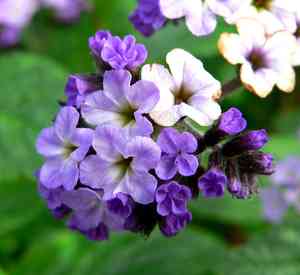
The delicate heart-shaped leaves of Siberian bugloss, adorned with beautiful blue flowers, make it a cherished plant in shaded gardens. To thrive, Siberian bugloss prefers partial shade, receiving around 3 to 6 hours of indirect sunlight daily. This balance ensures that the plant gets enough light for photosynthesis while avoiding the intense rays that can damage its leaves.
Partial Shade vs. Full Shade
Siberian bugloss is highly adaptable and can tolerate full shade areas. However, there are slight distinctions in growth. In partial shade, the plant exhibits more vibrant foliage and a greater abundance of flowers. Full shade locations might see slightly slower growth, but Siberian bugloss will still maintain its health and decorative charm.
Placement Tips for Siberian bugloss
Ideal Garden Locations
When choosing a spot in your garden for Siberian bugloss, aim for areas where it can be shielded from direct afternoon sunlight. Under the canopy of deciduous trees or alongside north-facing walls are excellent choices. These locations provide the dappled shade that Siberian bugloss loves, protecting it from the harsh noon sun.
Indoor Placement Ideas
If you wish to grow Siberian bugloss indoors, position it near a north or east-facing window. These windows receive gentler morning light, ideal for the plant's growth. Alternatively, placing the plant in a room with filtered light from blinds or sheer curtains can also work well.
Signs of Incorrect Sunlight
Symptoms of Too Much Sun
Excessive sunlight exposure can be detrimental to Siberian bugloss. Look out for signs like leaf scorch, where the edges of the leaves turn brown and crispy. Additionally, the blue flowers may start to fade more quickly, indicating that the plant is stressed from too much light.
Symptoms of Too Little Sun
On the flip side, insufficient sunlight can lead to leggy growth and sparse flowering. The foliage may appear lackluster, and the plant may become more susceptible to pests and diseases due to weakened vigor. Regularly monitor the plant and adjust its location if these symptoms persist.
Seasonal Light Considerations for Siberian bugloss
Adjusting Light in Summer
During the hot summer months, the intensity of the sun can spike. For Siberian bugloss, this means taking extra precautions to prevent leaf scorch. You might need to move the plant to a shadier spot or provide additional shading using garden cloths or strategically placed items to filter the harsh rays.
Winter Sunlight Needs
In winter, even though daylight hours are shorter, Siberian bugloss can continue to thrive with limited light. If the plant is indoors, ensure it remains near a window with indirect sunlight. For outdoor plants, the dormant season means reduced light needs, so natural winter shading suffices.
Using Artificial Light for Siberian bugloss
Types of Artificial Lights
For indoor Siberian bugloss, artificial lights can supplement natural light. LED grow lights and fluorescent lamps are excellent choices, providing the full spectrum of light necessary for plant health. Position these lights about 12-18 inches (30-45 centimeters) above the plant to mimic natural light conditions.
Setting Up Artificial Lighting
Setting up artificial lighting for Siberian bugloss requires consideration of duration and intensity. Aim to provide 8-12 hours of light daily, adjusting based on the plant's response. Time the lights to switch on and off automatically using a timer, ensuring consistent light exposure without any guesswork.



