How Much Sunlight Do Black mustard Need?
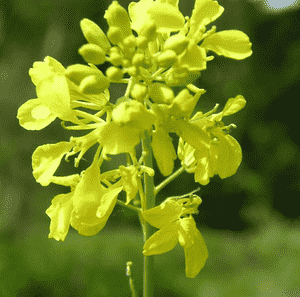
1
Black mustard flourishes optimally with ample sunlight, requiring 6-8 hours of direct exposure.
2
The plant can endure some shade, though its development might be hindered.
3
Periodically inspect for indications of sun damage and reposition as needed.
Ideal Sunlight Exposure for Black Mustard
Full Sun Requirements
Black mustard thrives exceptionally well when exposed to full sunlight. This means a location that gets at least 6-8 hours of direct sun daily. Such sun exposure enables efficient photosynthesis, promoting vigorous growth and rich flavor in its leaves and seeds. For outdoor cultivation, a south-facing garden spot is perfect, as it typically receives maximum direct sunlight. Indoors, position the pot near a bright window where it can absorb ample sunlight.
Partial Sun Conditions
While full sun is preferred, Black mustard can endure partial sunlight. Partial sun implies the plant receives about 3-6 hours of direct sunlight daily, or filtered light through tree cover. In partial sun, Black mustard may still grow but at a slower pace and with less vitality. Leaves might be smaller or less lush, and seed production could be lower than in full sun. If your garden has shaded areas, try placing your Black mustard where it gets morning sun and afternoon shade, which helps prevent overheating while providing necessary light.
Can Black Mustard Grow in Shaded Areas?
Impact of Insufficient Sunlight
Cultivating Black mustard in shaded spots, where it receives under 3 hours of sunlight, can severely hinder its development. The plant will struggle with photosynthesis, leading to stunted growth, smaller foliage, and fewer seeds. In such conditions, you might also observe paler leaf coloration, indicating inadequate light. Consistent low light exposure can make Black mustard more vulnerable to pests and diseases, as its energy reserves are depleted.
Enhancing Sunlight Access
If your Black mustard isn't getting enough sunlight, several methods can boost its exposure. First, consider moving the plant to a sunnier spot in your garden or relocating the pot to a brighter area. If moving isn't feasible, you can use reflective materials like aluminum foil or white boards nearby to direct more sunlight onto the plant. Pruning back overhanging branches or other plants can also increase the amount of light reaching your Black mustard.
Optimal Positioning for Black Mustard Sunlight
Selecting the Right Spot
Choosing the best location for your Black mustard ensures it receives the ideal amount of sunlight. Outdoors, aim for a south-facing area if possible, as these spots get the most consistent sunlight throughout the day. If growing Black mustard in containers, consider placing them on a patio, balcony, or window sill that faces south or southwest. Indoors, a bright, sunny window with at least six hours of direct sunlight is crucial. Remember, proper placement is vital for providing the energy your Black mustard needs to flourish.
Adapting to Seasonal Changes
Sunlight intensity and duration vary with the seasons, impacting the light your Black mustard receives. In summer, the sun's rays are strong and days are long, providing abundant light. However, in winter, sunlight is weaker and days are shorter. To adjust, you might need to move your plant indoors closer to the best light source or supplement with grow lights during darker months. Monitoring your plant and adapting to these seasonal shifts helps maintain its health and growth.
Sunlight-Related Issues in Black Mustard Care
Signs of Sunburn
Like humans, plants can suffer from sunburn. In Black mustard, sunburn appears as brown or bleached patches on leaves, especially those directly exposed to intense sunlight. This happens when the plant gets too much direct sun without sufficient moisture. To prevent and detect sunburn, regularly inspect your plant, particularly during hot, sunny periods.
Preventing and Treating Sun Damage
To prevent sunburn, ensure your Black mustard is well-watered, especially in warmer months. A good practice is to water early in the morning, allowing moisture to absorb before the sun's rays intensify. Mulching around the base can also help retain soil moisture. If your plant shows signs of sunburn, moving it to a slightly shaded area during peak sunlight hours or using shade cloth can provide relief. Trimming damaged leaves encourages new growth and aids recovery.



