How Much Sunlight Do Queen's tears Need?
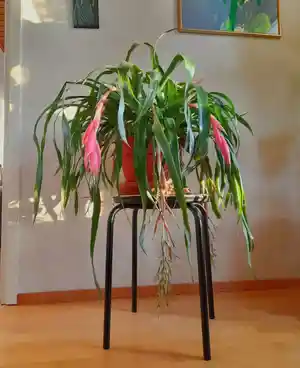
1
Queen's tears flourishes optimally in luminous, diffused illumination.
2
Early day sun exposure is perfect for Queen's tears, offering soft, advantageous beams.
3
Indications of light problems in Queen's tears encompass faded foliage and scorched areas.
Grasping Queen's tears Illumination Needs
Indirect vs. Direct Illumination
Regarding Queen's tears, comprehending the distinction between indirect and direct light is vital. This plant thrives in bright, yet diffused, sunlight. Positioning it where it receives filtered light ensures it obtains necessary energy without risking leaf scorching. Direct sun, particularly in the afternoon, can be overly strong and potentially harm the plant's delicate foliage.
Ideal Home Placement
Selecting the perfect spot in your home for Queen's tears involves balancing brightness and shade. Ideally, situate your Queen's tears near a window with translucent drapes, allowing ample light without exposing it to harsh direct sun. East or north-facing windows are excellent choices, providing gentle morning light and protection from intense afternoon rays.
Optimal Lighting Conditions for Queen's tears
Morning Sun Advantages
Morning sunlight is incredibly beneficial for Queen's tears. Its gentle rays are sufficient to invigorate the plant and foster healthy development without the danger of overheating or burning the leaves. Aim for approximately 3-6 hours of this soft morning light to keep your plant thriving.
Afternoon Shade Requirement
While morning light is advantageous, shielding Queen's tears from harsh afternoon light is crucial. Afternoon sun can be intense and detrimental, potentially leading to sunburnt foliage. It's best to move the plant away from windows or utilize blinds and curtains to filter the strong light during these periods.
Signs Your Queen's tears Requires More or Less Light
Symptoms of Light Insufficiency
Queen's tears will indicate if it's not receiving adequate light. Look for pale, yellowing leaves or stunted growth, which are clear indicators of light deprivation. Relocating your plant to a brighter area can help restore its vitality.
Indicators of Excessive Light Exposure
Conversely, if your Queen's tears is getting too much light, you'll observe sunburn spots or brown, brittle edges on its leaves. If this occurs, it's time to move your plant to a shadier location or adjust your window coverings to provide greater protection.
Adjusting Indoor Lighting for Queen's tears
Utilizing Sheer Curtains or Blinds
Sheer curtains or blinds are excellent tools for regulating the amount of sunlight your Queen's tears receives. They diffuse strong light, allowing only the necessary intensity to nourish your plant without the risk of overexposure. This simple modification can significantly improve your plant's health and growth.
Artificial Illumination Solutions
During darker months or in rooms with limited natural light, consider employing artificial lights. Full-spectrum LED grow lights can supplement the required light for Queen's tears. Position the lights about 30-45 centimeters (12-18 inches) above the plant and aim for approximately 12-16 hours of light daily to simulate natural conditions.



