How Much Sunlight Do Crossvine Need?
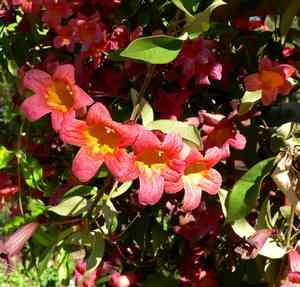
1
Crossvine flourishes optimally with a minimum of six hours of direct sun each day.
2
Although Crossvine can endure partial shade, its flowers will be brighter and more abundant with increased sun.
3
Consistent observation of your Crossvine allows for prompt resolution of any sun-related problems.
Ideal Light Conditions for Crossvine
Full Sun Exposure
For Crossvine, optimal development and blooming occur with at least 6 hours of direct sunlight daily. Full sun implies the plant receives uninterrupted, direct light during these hours. This light intensity promotes abundant flower production, enhancing a vibrant landscape. In regions with very strong sun, morning to early afternoon sun is better, as late afternoon sun can be too harsh.
Partial Shade Tolerance
While Crossvine thrives in full sun, it also endures partial shade. In partial shade, the plant may still grow well but might produce fewer blooms. Partial shade means the plant gets filtered sunlight or direct sun for about 3-6 hours daily. Such conditions are often found in gardens with dappled light from tree canopies or spots receiving sun only at specific times. Ensure partial shade doesn't lead to overly damp conditions, which can harm plant health.
Ensuring Adequate Sunlight for Your Crossvine
Choosing the Right Location
Selecting the best planting site for your Crossvine is vital. Pick a spot that gets the most sunlight throughout the day. Consider placing your plant on the south or west side of your yard, ensuring it avoids being shadowed by structures or other plants. If planting near a trellis or fence, make sure these structures don't completely block sunlight, allowing Crossvine to climb and spread towards the light.
Adjusting Planting Times
Timing your planting can also significantly impact whether your Crossvine gets enough sunlight. Planting in early spring allows the plant to establish before summer's peak heat, fully utilizing the increasing sunlight. Alternatively, in cooler climates, planting in late spring and early summer ensures your Crossvine has ample time to absorb sun and grow robustly before winter.
Signs Your Crossvine Requires More Sunlight
Symptoms of Insufficient Sunlight
When Crossvine lacks sufficient sunlight, it will display specific indicators. The plant's growth may become leggy, with elongated, weak stems stretching for light. Leaf color might fade, turning pale green due to inadequate chlorophyll production. Additionally, flowering will be sparse, with fewer and smaller blooms. If you observe these signs, it's crucial to assess and adjust light conditions to ensure your plant's health and vigor.
Corrective Measures
If your Crossvine shows signs of light deficiency, you can take several steps to improve its conditions. First, try moving the plant to a sunnier location, if feasible. If relocation isn't possible, consider pruning back overhanging branches or plants that cast excessive shade. Additionally, using reflective surfaces like light-colored walls or garden mirrors can indirectly boost light exposure. Regularly monitor your plant to confirm these measures are effective.
Impacts of Excessive Sunlight on Crossvine
Identifying Sunburn in Leaves
Too much sunlight can cause sunburn on Crossvine leaves, especially in extremely hot climates. Look for leaves with brown, scorched edges or spots that appear dry and crispy. These symptoms indicate the leaves are receiving more sun than they can tolerate, and the plant needs some protection to prevent sun damage.
Protective Strategies
To shield your Crossvine from excessive sunlight, you can employ several tactics. Providing shade during the hottest part of the day using shade cloths or garden nets can help. Planting companion plants that offer dappled shade can balance sunlight exposure. Additionally, mulching around the base helps retain soil moisture, preventing the plant from becoming overly stressed by intense heat and sun. Consistent watering is also vital to keep the plant hydrated and resilient against sun damage.



