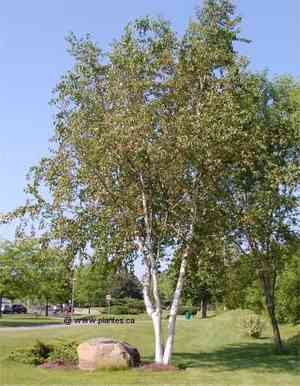
How Much Sunlight Do Paper birch Need?
1
Paper birch trees generally require more than 6 hours of direct sun each day.
2
Adequate light exposure greatly improves the vigor and development of Paper birch.
3
Insufficient or excessive sunlight may cause diverse tree health problems.
Ideal Light Conditions for Paper Birch Trees
Daily Light Requirements
The Paper birch flourishes best in full sun, meaning it needs over six hours of direct sunlight daily. This light is vital for photosynthesis, ensuring the tree's robust growth and development. For peak growth, position your Paper birch where it receives uninterrupted sunlight throughout the day.
Seasonal Variations in Light Needs
While Paper birch trees prefer full sun, their light requirements shift slightly with the seasons. During spring and summer, with longer days, they benefit from extended daylight. In winter, despite shorter days, they should still get as much natural light as possible, though the total daily need might lessen. Ensure your Paper birch has year-round unobstructed sun access.
Influence of Geographical Area
Geographic location significantly impacts the amount of sunlight your Paper birch will receive. In northern areas, winter daylight hours are shorter, so careful tree placement is crucial. Avoid planting near structures or tall buildings that could block light. In southern regions, where sun is more intense, some afternoon partial shading might be beneficial.
Advantages of Proper Sunlight for Paper Birch
More Vigorous Growth
Sufficient sunlight is often a key factor for the strong growth of Paper birch trees. Sunlight provides the energy needed for photosynthesis, leading to more substantial trunk and branch development. Trees with too little sunlight may show stunted growth and fewer leaves.
Improved Disease Resistance
Trees receiving adequate sunlight develop stronger natural defenses against diseases. Sunlight helps reduce moisture around foliage and the trunk, which can foster fungal infections and other ailments. A well-lit, balanced environment thus naturally deters many common tree issues.
Enhanced Photosynthesis
Photosynthesis, the process where trees convert sunlight into energy, is crucial for Paper birch health. Enough sunlight ensures efficient photosynthesis, allowing the tree to produce necessary sugars and energy. This supports growth and boosts overall vitality and resilience.
Potential Issues with Light Exposure
Indicators of Excessive Sunlight
Though Paper birch trees thrive in full sun, too much intense sunlight can cause problems like leaf scorch. You might observe brown or yellow leaf edges or general wilting. These signs suggest the tree is getting more sun than it can handle, especially on extremely hot days.
Symptoms of Insufficient Sunlight
Without enough sunlight, Paper birch trees may display sparse foliage, pale or yellowing leaves, and hindered growth. They might also become more vulnerable to pests and diseases due to weakened health. Ensure the tree receives ample sunlight to prevent these problems.
Corrective Actions
If you notice signs of too much sunlight, consider providing partial shade during peak hours using shade cloths or planting companion plants that offer some relief without excessive light blockage. For insufficient sunlight, try pruning nearby trees or shrubs casting shadows, or relocate the tree to a brighter spot if feasible.
Optimizing Light Exposure
Best Planting Sites
When planting a Paper birch tree, select a spot that receives unobstructed sunlight for most of the day. Open fields, the south side of buildings, or tree lines with ample space between trees can offer ideal conditions for sun exposure.
Leveraging Shade Strategically
While Paper birch trees love sunlight, strategic use of shade during extremely hot afternoons can prevent leaf scorch. Planting companions like taller deciduous trees can provide dappled shade, protecting your birch without completely blocking the light.
Seasonal Adjustments
Adapting to seasonal changes helps maintain a Paper birch tree's health. In summer, monitor for heat stress and offer temporary shade if needed. In winter, ensure the tree's southern exposure still gets enough light by minimizing obstructions like snow buildup or fallen branches.



