How Much Sunlight Do River birch Need?
1
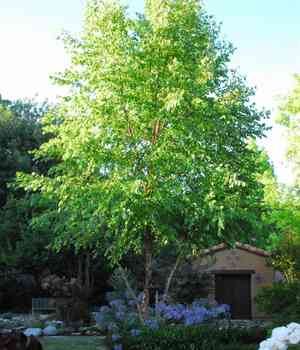
River birch flourishes optimally with more than six hours of direct sun exposure each day.
2
It can endure partial sun, though this might hinder its peak development.
3
Indications of too much sun are scorched leaves and damaged bark.
Optimal Sunlight for River Birch
Partial vs. Full Sun for River Birch
The best sun exposure for River birch typically favors full sun, meaning over 6 hours of direct sunlight daily. Full sun encourages strong growth, robust trunk development, and vibrant foliage. While River birch can endure partial sunâaround 3 to 6 hours of direct sunlightâthey might not reach their full height and health potential. Partial sun conditions can slow growth rates and diminish leaf vibrancy.
Sunlight's Effect on Growth and Health
Sunlight is crucial for the well-being and development of River birch trees. Sufficient sunlight supports vital processes like photosynthesis, essential for the tree's energy production and growth. Full sun exposure also helps maintain healthy foliage and lowers susceptibility to certain diseases and pests. Conversely, insufficient sunlight can weaken the tree, making it more vulnerable to infections and slower growth. In areas with partial sun, extra care, such as ensuring adequate water and nutrients, becomes even more important.
Determining Proper Sun Exposure for River Birch
Observing Natural Environment
The native habitat of River birch offers insights into its sun preferences. These trees are frequently found along riverbanks and floodplains where sunlight is plentiful. Observing these natural settings can guide you in recreating similar conditions in your garden. Plant your River birch where it receives morning sun and some afternoon shade if you live in a region with very hot summers.
Assessing Garden Light Conditions
Before planting, evaluate the light conditions in your garden. Monitor the chosen spot for a day to see how much direct sunlight it gets. Use tools like sunlight meters or apps to measure precise sunlight levels. Ensure the location can provide the 6 hours of full sun needed for optimal health. If full sun isn't possible, select the brightest available spot and ensure the soil is well-nourished and well-drained to support the tree.
Signs of Excessive Sunlight on River Birch
Leaf Scorch and Color Change
Too much sunlight can harm River birch trees. A primary indicator of excessive sun is leaf scorch, where leaf edges turn brown and crispy. Discoloration, from bright green to a dull, faded shade, can also signal sun stress. If you notice these symptoms, consider taking steps to protect the tree, such as providing more water or creating partial shade.
Bark Damage Indicators
Sunlight stress can also visibly impact the bark of the River birch. Bark cracks, sunburn, or peeling can be signs of overexposure. The tree's bark is naturally designed for protection, but excessive UV rays and heat can overwhelm this defense, leading to long-term damage. Address these issues promptly by adjusting the treeâs environment to reduce stress.
Protecting River Birch from Intense Sun
Using Mulch and Ground Cover
Applying mulch around the base of the River birch can help combat excessive heat and retain soil moisture, which is vital during hot, sunny days. A 3-4 inch (7-10 cm) layer of mulch insulates the roots and reduces temperature fluctuations. Ground cover plants can also offer additional protection, decreasing the amount of heat reaching the soil surface.
Implementing Shade Structures
Temporary shade structures, such as shade cloths or garden umbrellas, can shield young or newly planted River birch trees from intense sunlight. Position these structures to provide relief during the hottest parts of the day, typically between noon and 4 pm. This helps lessen the risk of sunburn and heat stress, giving your tree a better chance to acclimate and grow vigorously.
River Birch Growth in Low Light Conditions
Adapting River Birch to Shaded Areas
River birch trees can adjust to partially shaded areas, though it may require time and extra care. In such environments, it's important to closely monitor soil moisture and nutrient levels. Partial shade might result in slower growth, but with proper attention, the tree can still thrive. Adding reflective mulch to the base can help by directing more light to the tree.
Potential Growth Impact
Growing a River birch in low light conditions can affect its overall size and health. Expect a slower growth rate and potentially smaller leaf size compared to those grown in full sun. Additionally, the tree may be more vulnerable to diseases and pests due to lower energy reserves. Regular fertilization and attentive watering can help support the tree, but it's crucial to have realistic expectations regarding health and growth.



