How Much Sunlight Do Creeping barberry Need?
1
Creeping barberry flourishes most effectively with moderate sunlight, receiving approximately 3 to 6 hours of direct light daily.
2
It is adaptable to both complete sun and complete shade environments, yet performs ideally in partial sun.
3
Despite its tolerance for shade, Creeping barberry still needs some light to reach peak vitality and development.
The Importance of Sunlight for Creeping Barberry
Photosynthesis and Development
Sunlight powers photosynthesis, a crucial process for the Creeping barberry. Photosynthesis enables the plant to convert solar energy into usable fuel, utilizing chlorophyll in its leaves. This energy supports the plant's growth and vitality. Without sufficient sunlight, the Creeping barberry may weaken and grow slower. Therefore, ensuring adequate light is vital for its healthy development.
Blooming and Fruiting
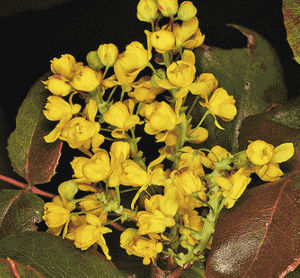
Sunlight not only supports basic growth but is also essential for flowering and fruit production. The vibrant yellow blooms and subsequent berries of the Creeping barberry rely on ample sunlight. Sufficient light exposure ensures the plant will flower more abundantly and bear fruit more effectively. This means that for a fuller, richer-looking plant, proper sunlight is key.
Optimal Sunlight Conditions for Creeping Barberry
Full Sun Needs
Ideally, the Creeping barberry thrives in conditions receiving partial sun, which means about 3-6 hours of direct sunlight daily. However, the plant is quite adaptable and can also flourish in full sun. If planted in full sun, the Creeping barberry can become more robust, but monitor soil moisture, as full sun can dry out the soil faster.
Partial Shade Adaptability
Partial shade conditions, where the plant receives filtered sunlight or shade for part of the day, are quite tolerable for the Creeping barberry. This plant adapts well to these conditions, making it a great choice for various garden settings. Even though it can handle these conditions, providing some direct light daily will ensure it remains healthy and vigorous.
Maximizing Sunlight Exposure for Creeping Barberry
Selecting the Right Spot
The location you choose for your Creeping barberry significantly impacts its sunlight intake. Place the plant where it gets morning sun and afternoon shade to shield it from intense midday sun. Consider planting it near a wall or large tree where it can receive dappled light throughout the day.
Pruning to Prevent Self-Shading
Regular pruning helps ensure your Creeping barberry doesn't shade its own leaves, which can prevent sunlight from reaching all parts of the plant. Trim back overgrown branches and dead foliage to allow light to penetrate and reach lower parts of the plant. This promotes a healthier, more uniformly growing plant.
Indicators of Excessive or Insufficient Sunlight
Signs of Sun Damage
Too much sunlight can cause sunburn on the Creeping barberry. Symptoms include browning or yellowing leaves, scorched edges, and overall wilting during the hottest parts of the day. If you notice these signs, try providing temporary shade during peak heat or consider moving the plant to a less bright spot.
Symptoms of Low Light
Conversely, too little sunlight can lead to a different set of issues. The Creeping barberry may exhibit leggy growth, where the plant stretches towards the light, resulting in elongated stems. Leaves may lose their vibrancy, and growth may slow. Ensuring the plant gets at least a few hours of sunlight daily can prevent these problems.
Seasonal Sunlight Adjustments for Creeping Barberry
Adapting to Summer Sun
In summer, the Creeping barberry may face intense and prolonged daylight. You might need to provide extra water to cope with the heat and consider partial shade to prevent sunburn. Using mulch can help retain soil moisture during this period.
Winter Light Needs
During winter, sunlight can significantly decrease. Position your Creeping barberry to receive as much light as possible, and consider trimming nearby plants that might block available sunlight. Less active during this season, the plant will require less water, but adequate light remains crucial for its overall health.



