How Much Sunlight Do Brazilian begonia Need?
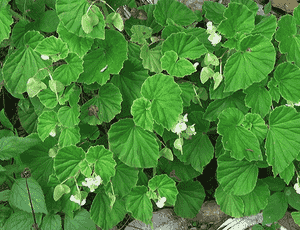
1
Brazilian begonia flourishes optimally in diffused illumination, making it an ideal houseplant.
2
Intense sun exposure can burn Brazilian begonia foliage, so position it away from strong light.
3
Modifying light exposure according to seasonal shifts guarantees your Brazilian begonia remains vibrant throughout the year.
Optimal Illumination for Brazilian Begonia
Indirect Light Requirements
The Brazilian begonia flourishes in settings with abundant diffused light. This means it prefers illumination filtered through a thin curtain or reflected from a wall. Unfiltered sun can be too harsh and may cause leaf scorching. A north-facing window or a location with dappled sunlight is perfect for promoting robust development. The key is to provide adequate light without exposing the plant to intense, direct solar rays.
Ideal Home Placements
Finding the perfect spot for your Brazilian begonia involves ensuring it receives the correct amount of indirect light. Positioning it near north or east-facing windows can be advantageous, as these areas offer ample yet gentle illumination. If only west or south-facing windows are available, consider employing a sheer curtain to soften the light. Brightly lit room corners that avoid harsh, direct sun can also be excellent locations for the Brazilian begonia.
Can Brazilian Begonia Withstand Direct Sun?
Potential Hazards of Direct Sun Exposure
While some plants can tolerate or even prefer direct sunlight, the Brazilian begonia is not among them. Exposing it to direct sun, especially during peak afternoon hours, can harm its foliage. Leaves may become scorched, developing brown, brittle edges, and in severe cases, the entire leaf might wilt and perish. Direct sun can also cause the soil to dry out too rapidly, further stressing the plant.
Reducing Direct Sun Impact
If your Brazilian begonia is subjected to direct sunlight, several strategies can be used to lessen potential harm. Using sheer curtains or blinds to filter the light is a simple and effective method. Another approach is to relocate the plant a few feet from the window. Additionally, rotating the plant every few days ensures all parts receive even light exposure and prevents localized burns. Consider placing a larger plant or decorative item to offer some shade during intense sun periods.
Effects of Insufficient Light on Brazilian Begonia
Identifying Low Light Stress Indicators
Inadequate light can be as damaging as excessive direct sunlight. Signs that your Brazilian begonia isn't getting enough light include leggy growth, where stems elongate and become sparse, and leaves turning yellow or pale. You might also observe a reduction in leaf size and slower overall development. These symptoms are the plant's way of indicating a need for more energy for photosynthesis.
Adjusting Light Conditions
To remedy low light conditions, gradually move your Brazilian begonia to a brighter location. Ensure the new spot offers more indirect light without exposing the plant to direct sun. Alternatively, investing in a full-spectrum grow light can supplement natural light, particularly during darker months. Position the grow light approximately 12-18 inches (30-45 cm) from the plant and use it for about 8-10 hours daily to mimic the natural light cycle.
Seasonal Light Variations for Brazilian Begonia
Winter Light Adaptations
As winter approaches, daylight hours shorten and sunlight intensity decreases. During these months, it's vital to maximize available natural light for your Brazilian begonia. Moving the plant to a south-facing window, which receives more light in winter, can be helpful. Clean windows to ensure maximum light penetration and consider using grow lights to supplement natural light if needed. Ensure the plant is not too close to cold drafts from windows or doors.
Summer Light Requirements
In summer, increased sunlight can be both an advantage and a challenge. While days are longer, ensuring the Brazilian begonia doesn't receive too much direct sunlight becomes critical. Shielding the plant with sheer curtains or moving it to a spot that gets morning sun followed by afternoon shade can be effective. Regularly check the plant for signs of sunburn, and adjust its position as necessary. Remember to maintain consistent watering, as summer heat can cause quicker soil drying.



