How Much Sunlight Do Summer cypress Need?
1
Summer cypress flourishes optimally under direct sunlight, requiring a minimum of six hours of bright sun exposure each day.
2
A lack of adequate light can lead to duller leaf coloration, diminishing its visual attractiveness.
3
Exposure to morning sun is advantageous due to its lower intensity, helping to avoid overheating and leaf scorch.
Decoding the Photorequirements of Summer cypress
Prime Illumination Conditions
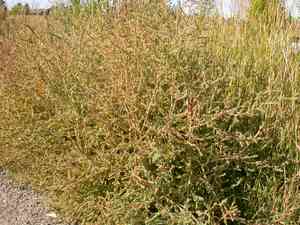
The Summer cypress, celebrated for its striking autumnal crimson foliage, flourishes best when exposed to full sunlight. 'Full sun' signifies receiving a minimum of six hours of direct solar radiation daily. This robust exposure supports the plant in developing its vibrant coloration and vigorous growth. While it can endure partial sun (4-6 hours of sunlight), the depth and brilliance of its hues might be diminished.
Ramifications of Insufficient Solar Exposure
When the Summer cypress experiences inadequate sunlight, several observable alterations manifest. The most evident is a reduction in the vibrancy of its leaf color, which may transform from dazzling reds to a duller, less appealing tint. Stunted development and elongated, sparse branches are additional indicators of insufficient light. These circumstances not only impair the plant's aesthetic but also its overall well-being and vigor.
Adaptation to Diverse Climates
The Summer cypress demonstrates considerable adaptability to various environmental conditions, yet achieving optimal solar exposure can pose difficulties in specific locales. In temperate zones, full sun is generally accessible and advantageous. Conversely, in warmer regions, afternoon shielding might become essential to prevent foliar scorching. In contrast, in cooler, cloudier climates, securing those precious hours of sunlight is paramount for sustaining the plant's colorful display.
Required Daily Sunlight for Summer cypress
Daily Solar Exposure Duration
To maintain its remarkable appearance, the Summer cypress should ideally receive at least six hours of direct solar illumination each day. Consistent sunlight exposure guarantees that the plant can perform photosynthesis efficiently, leading to sturdy growth and vivid foliage. For peak outcomes, endeavor to provide uninterrupted sunlight during the prime daylight hours.
Morning versus Afternoon Solar Rays
While the Summer cypress benefits from abundant sunlight, the specific time of day can influence its impact. Morning sun proves particularly advantageous as it is typically less intense and cooler. This helps mitigate the danger of leaf burn and overheating. Afternoon sun can be harsher, especially in hotter climates. If your plant is exposed to the afternoon sun, consider offering some shade during the warmest period of the day.
Optimally Positioning Your Summer cypress for Sunlight
Preferred Garden Placement
To maximize available sunlight, site your Summer cypress in an unshaded section of your garden where it can receive ample direct solar radiation. Avoid planting too close to taller vegetation or structures that could cast shadows. South-facing spots are generally ideal in the Northern Hemisphere as they provide peak sunlight reception.
Leveraging Solar Patterns for Advantage
Understanding the sun's trajectory in your garden can assist in more effective placement of your Summer cypress. Observe how the sun travels across your garden throughout the day and pinpoint areas that receive extended sunlight. Positioning your plant in these locations can maximize its exposure and promote healthier development.
Seasonal Factors to Consider
Seasonal shifts can influence sunlight availability. During summer, days are longer, offering abundant sunlight. However, in winter, the sun's path changes, diminishing the duration and strength of direct light. Factor in these seasonal patterns when planting and potentially relocating your Summer cypress to ensure it receives the necessary sunlight throughout the year.
Supplementary Guidance for Managing Solar Exposure
Indicators of Sun Scorch on Summer cypress
Although the Summer cypress favors sunlight, excessive intensity can lead to sun damage. Symptoms include yellowing or browning of the leaves and a parched appearance. If these signs are observed, it might be necessary to provide some shade during the hottest parts of the day, particularly during summer.
Employing Shade Cloths or Other Safeguards
For plants subjected to extreme sun conditions, using a shade cloth can shield the Summer cypress from intense sunlight and lessen the risk of leaf burn. These materials can filter solar radiation, providing just the right amount without detrimental effects. Furthermore, situating your plant near deciduous trees can offer natural shade during the height of summer sun intensity.
Balancing Solar Exposure with Hydration
Sunlight and hydration are mutually essential for the robust growth of Summer cypress. With increased solar exposure, the plant may require more water to offset higher rates of photosynthesis and evaporation. Ensure your watering routine corresponds with the sunlight exposure to keep your plant adequately hydrated without overwatering.



