How Much Sunlight Do Blue wild indigo Need?
1
Blue wild indigo performs optimally with a daily minimum of six hours of direct sun exposure.
2
Although Blue wild indigo favors ample sunshine, it can endure areas with some filtered light.
3
Adequate light levels are essential for the plant's photosynthetic processes, development, and resistance to ailments.
Optimal Light Conditions for Blue wild indigo
Full Sun Necessities
For Blue wild indigo to thrive, it should ideally be situated in a position receiving unfiltered daylight for a minimum of six hours daily. Full sun denotes direct, unblocked sunlight, which is crucial for the plant's peak development.
Partial Shade Resilience
Blue wild indigo is also capable of growing in partial shade, meaning it can still prosper with approximately 3-6 hours of sunshine. However, while it endures these circumstances, partial shade might impede its growth rate and diminish blooming compared to full sun exposure.
Hourly Duration and Seasonal Impact
The duration of light plays a vital role throughout the year. During spring and summer, Blue wild indigo needs abundant daily sunshine to support its flowering and lush foliage. In autumn and winter, though light naturally decreases, maintaining those six-hour periods ensures the plant stays healthy.
The Significance of Sunlight for Blue wild indigo
Photosynthesis Process
Sunlight is essential for Blue wild indigo as it powers the photosynthesis process – the mechanism by which plants transform light energy into chemical energy for growth. Without adequate sunshine, this process is hindered, leading to stunted development and poor health.
Blooming and Development
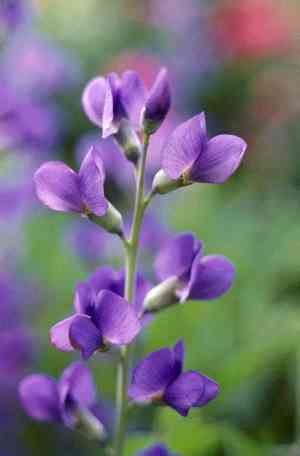
Sufficient sunlight also directly influences the blooming phases of Blue wild indigo. To witness its exquisite, vibrant blue blossoms in their full splendor, the plant demands ample light. Furthermore, consistent sun exposure fosters robust overall development.
Disease Prevention
Proper sunlight exposure can ward off fungal infections and other ailments. Sunlight aids in removing excess moisture around the plant, which could otherwise create an environment conducive to pathogens. Thus, adequate sunlight is a key preventive measure.
Adjusting Blue wild indigo's Light Exposure
Evaluating Current Light Levels
Initially, assess your garden or planting site to determine the amount of sunlight it receives. Monitoring this over several days can provide a clear indication of whether your Blue wild indigo is getting appropriate illumination.
Changing Plant Placement
If required, you might need to move the Blue wild indigo to a brighter location. This could involve a different section of the garden or a mobile container setup. Ensuring at least six hours of full sun will yield superior outcomes.
Utilizing Supplemental Lighting
In areas with limited natural daylight, consider employing artificial grow lights as an aid. These lights can help replicate the natural light spectrum necessary for the plant's photosynthesis. They are especially beneficial during the shorter days of winter.
Common Issues from Inadequate Sunlight for Blue wild indigo
Indicators of Excessive Sun
While Blue wild indigo thrives in sunlight, extreme exposure, particularly in intensely hot climates, can result in scorched leaves. Symptoms include brown, crispy patches and wilting. Providing some cover during peak heat can prevent sunburn.
Indicators of Insufficient Sun
Conversely, too little sunlight can lead to a leggy appearance with elongated stems as the plant extends towards light sources. The foliage might be sparse, and blooming will be significantly reduced. Correcting this involves relocating the plant to a brighter spot.
Remedial Actions
If you observe your Blue wild indigo struggling due to improper sunlight, act promptly. For excessive sun, offer temporary shade using fabric or reposition the plant during the hottest periods. For insufficient sun, simply find a sunnier location or boost lighting conditions artificially.



