How Much Sunlight Do White wild indigo Need?
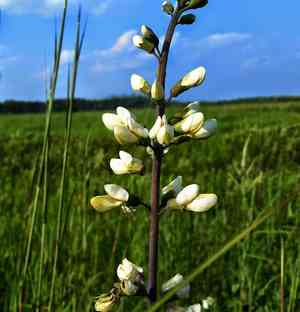
1
White wild indigo flourishes in ample sunlight, needing a minimum of 6 hours of direct sun each day.
2
This resilient plant can endure some shade, though it might produce fewer blooms.
3
To achieve optimal growth, cultivate White wild indigo in soil that drains well and a bright spot.
Ideal Light Requirements for White wild indigo
Complete Sun Exposure
For peak development, White wild indigo needs to be situated in spots receiving full sun. This means the plant requires a minimum of six hours of direct sunlight daily. Full sun exposure guarantees abundant flower production and a strong plant structure. Cultivator's Advice: Position them in south or west-facing areas where light is plentiful and steady.
Partial Shade Adaptability
Although White wild indigo prefers full sun, it can endure partial shade. This implies it can manage with 3-6 hours of sunlight but might show less vigorous growth and fewer blooms. If your garden has shaded zones, ensure at least midday to afternoon sun reaches the plant to maximize its potential.
Optimal Planting Sites for White wild indigo
Garden Beds
White wild indigo is excellent for garden beds, especially those with well-draining soil. When planting in garden beds, space the plants about 2-3 feet (0.6-0.9 meters) apart to give them ample room to grow. Always choose spots that get consistent sunlight throughout the day.
Containers and Pots
For gardeners with limited space, planting White wild indigo in containers or pots is a viable option. Use pots that are 12 inches (30 cm) or larger in diameter with good drainage holes. Position the pots in sunny areas like patios or balconies to ensure they receive sufficient light.
Impacts of Insufficient Light on White wild indigo
Poor Flowering
One of the primary indicators of inadequate sunlight is poor flowering. White wild indigo relies heavily on the sun to produce its beautiful white flowers. If deprived of sufficient sunlight, the plant will produce fewer blooms, which diminishes its aesthetic appeal.
Stunted Growth
Another consequence of inadequate sunlight is stunted growth. The foliage may become sparse, and the overall health of White wild indigo may decline. Ensuring the plant receives ample light is key to maintaining its health and vigor.
How to Guarantee Adequate Light for White wild indigo
Utilizing Reflective Materials
Boost sunlight exposure for White wild indigo by employing reflective materials. Place reflective surfaces like white walls or garden mirrors around the plants to bounce light onto them. This technique is particularly useful in partially shaded gardens.
Strategic Plant Placement
Strategically place White wild indigo in garden spots that receive the most sunlight. Observe the sunâs pattern throughout the day and choose areas that get at least six hours of direct sunlight. Plant them away from taller plants or structures that could cast shadows.
Seasonal Light Considerations
Spring and Summer
During the spring and summer, when sunlight is more abundant, White wild indigo thrives and flowers profusely. Ensure the plant remains hydrated, as the increased sunlight can lead to quicker soil drying. Mulching around the base can help retain moisture.
Autumn and Winter
In autumn and winter, sunlight hours decrease. While White wild indigo is dormant during these cooler months, ensure that it still receives as much light as possible to maintain its health for the spring. Consider repositioning potted plants to sunnier spots or using supplemental lighting if necessary.



