How Much Sunlight Do Burmese grape Need?
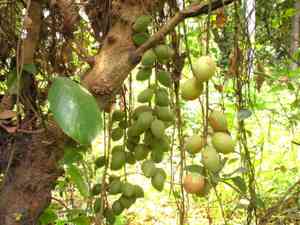
1
Burmese grape plants flourish with at least six hours of direct sun exposure each day.
2
Direct morning light is preferable and gentler for Burmese grapes than intense afternoon sun.
3
Indoor Burmese grape specimens might need extra grow lights, particularly during the colder seasons.
Deciphering Burmese Grape Illumination Needs
Native Environment and Natural Light Conditions
The Burmese grape originates from Southeast Asia, specifically tropical regions where sunlight is plentiful and steady. These areas typically present a blend of direct sun and dappled shade due to dense forest canopies. In its natural setting, the Burmese grape receives ample sunlight filtered through the tree canopy, replicating an environment perfect for development and fruit yield.
Sunlight Versus Shade for Burmese Grape Development
When it pertains to the Burmese grape, striking a balance between sunlight and shade is vital. While the plant greatly benefits from full sun for vigorous growth and fruiting, it also requires some defense from intense afternoon sun, which can scorch its foliage. Ideally, this plant should receive roughly six to eight hours of daily sunlight, with adequate shade protection during peak afternoon heat.
Optimal Light Exposure for Burmese Grape
Benefits of Morning Sun
Morning sunlight proves particularly advantageous for the Burmese grape. The gentler light aids in initiating photosynthesis without the harsh effects of strong afternoon sun. Positioning your plant to absorb the soft morning rays will encourage healthier development and robust fruit harvests.
Afternoon Sunlight Considerations
The afternoon sun can be quite intense, especially in warmer climates. For the Burmese grape, excessive direct afternoon sunlight can result in leaf burn and stress. If you are cultivating this plant outdoors, consider placing it where it will get morning sun and be shielded from the harsh afternoon rays, either by other plants, structures, or by providing some form of artificial cover.
Potential Sunlight Risks
Excessive exposure to sunlight, particularly during peak afternoon hours, can pose risks such as leaf scorching and dehydration for the Burmese grape. To prevent these issues, ensure the plant is adequately watered and think about adding mulch to retain soil moisture. Utilizing shade cloth during extremely sunny periods can also be advantageous.
Guidance for Managing Sunlight for Indoor Burmese Grape Plants
Selecting the Appropriate Indoor Spot
When cultivating the Burmese grape indoors, select a location that maximizes available natural light. A south or east-facing window is ideal, as it will furnish ample morning sunlight. If light levels are insufficient, you might need to periodically reposition the plant to follow the sun's trajectory or consider supplementary lighting.
Artificial Illumination Solutions
If natural sunlight is insufficient, particularly during winter months, consider investing in grow lights. LED grow lights can emulate natural sunlight and provide the correct light spectrum that the Burmese grape requires to flourish. Aim to provide the plant with 12-16 hours of light daily to compensate for low natural light conditions.
Indicators of Inadequate or Excessive Sunlight
Monitoring your Burmese grape for signs of light stress is critical. Insufficient sunlight can lead to leggy growth and pale leaves, while too much light can result in leaf burn and curling. Adjust the plant's light exposure if you notice these symptoms, relocating it closer to the light source or providing additional shade as needed.
Sunlight Requirements for Outdoor Burmese Grape Cultivation
Ideal Planting Sites
For outdoor Burmese grape cultivation, choose a location offering full sun to partial shade. Hillsides or areas with gentle morning sun and dappled afternoon shade provide optimal conditions. Avoid spots with extreme shade, as this can impede growth and fruit production.
Seasonal Sunlight Changes
During different seasons, the angle and intensity of sunlight can vary. In the winter, when sunlight is less intense, ensure your Burmese grape is positioned in the sunniest spot available. During summer months, you might need to provide additional shade in the afternoons to protect from heat stress.
Protection Against Extreme Weather Conditions
Extreme weather, such as heatwaves or unexpected frosts, can severely affect your Burmese grape. Use shade cloths to protect from intense summer sun, and in colder climates, consider utilizing frost blankets or moving the plant indoors during unexpected cold spells.



