How Much Sunlight Do Water fern Need?
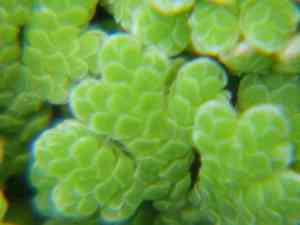
1
Water fern flourishes in both direct and indirect sunlight conditions.
2
Water fern requires more than six hours of sunlight each day for optimal growth.
3
Water fern's light exposure can be modified using shade coverings and supplemental grow lights.
The Importance of Sunlight for Water Fern
Photosynthesis and Development
Sunlight serves as the primary energy source for photosynthesis, a process crucial for the growth and survival of Water fern. Through this process, these aquatic plants transform light energy into chemical energy, generating the necessary nutrients for their development. Without sufficient sunlight, Water fern would struggle to produce the energy it requires, resulting in stunted growth and poor health.
Temperature Regulation
Sunlight also plays a role in regulating the temperature of the Water fern's aquatic habitat. Adequate sunlight ensures the water maintains an ideal temperature, preventing extreme conditions that could harm the plants. This temperature control is vital, particularly in outdoor ponds where temperature fluctuations can be significant.
Nutrient Uptake
Sufficient sunlight assists Water fern in efficient nutrient absorption. The energy from sunlight enhances the plant's capacity to take up nutrients from the water, ensuring it receives the essential minerals and elements needed for healthy growth. Proper sunlight exposure, therefore, promotes a strong nutrient absorption process.
Ideal Sunlight Conditions for Water Fern
Direct vs. Indirect Light
Water fern can flourish in both direct and indirect sunlight. However, while it can endure direct sun, excessive intensity might be harmful. Therefore, indirect sunlight, such as filtered light through trees or partial shade, is often optimal for maintaining the plant's health without the risk of scorching.
Best Time for Sun Exposure
The most favorable times for Water fern to receive sunlight are during the morning and late afternoon. During these periods, the sunlight is less intense, providing ample light for photosynthesis without the danger of overheating or sunburn. Midday sun can be too strong, especially in the warmer months.
Seasonal Adjustments
As seasons change, so should the care provided to Water fern. In winter, when sunlight is less intense, it may be necessary to move the plant to a location where it can receive more light. Conversely, during the hot summer months, providing some shade or relocating Water fern to a slightly shaded area can prevent sun damage.
Indicators of Improper Sunlight for Water Fern
Signs of Excessive Sunlight
If Water fern is exposed to too much sunlight, you might observe the leaves turning brown or appearing scorched. This indicates that the plant is receiving more light than it can tolerate, and immediate action should be taken to provide shade or move the plant to a less exposed area.
Signs of Insufficient Sunlight
Inadequate sunlight can be equally detrimental. Water fern that doesn't receive enough light will often become pale and exhibit slow growth. The leaves might also become thinner and less vibrant. Ensuring the plant gets at least 6 hours of light daily can help prevent these issues.
Adjusting Sunlight Exposure for Water Fern
Utilizing Shade Cloths and Covers
An effective method to shield Water fern from excessive sunlight is by using shade cloths or covers. These can filter out harsh rays while still allowing sufficient light for photosynthesis. This technique is particularly useful in preventing sunburn during peak summer months.
Relocation Advice
If using shade cloths is not feasible, consider moving Water fern to a spot where it can receive optimal sunlight. For instance, placing it under trees that provide dappled light or near structures that cast partial shade can help. Always monitor the plants after relocation to ensure they adapt well to their new environment.
Artificial Lighting Solutions
In situations where natural sunlight is insufficient, artificial lighting can be a beneficial alternative. High-quality grow lights designed to mimic natural sunlight can provide the necessary light spectrum for Water fern. Positioning these lights close to the plants and ensuring they are on for an adequate duration can effectively supplement natural light.
Frequently Asked Questions about Water Fern Sunlight Needs
Can Water Fern Survive in Low Light?
Water fern can endure low light conditions for brief periods, but it will not flourish. Prolonged low light exposure will result in poor growth and health. It's best to ensure the plant receives its required daily sunlight for optimal growth.
How to Protect Water Fern from Sunburn?
To safeguard Water fern from sunburn, provide partial shade during peak daylight hours, especially in summer. Shade cloths, positioning the plants under larger plants, or relocating to a more shaded area are effective measures.
What is the Optimal Daily Sunlight Duration?
The optimal duration of sunlight for Water fern is at least 6 hours daily. This duration ensures the plant receives enough light for robust photosynthesis and nutrient absorption, promoting healthy growth.



