How Much Sunlight Do Asystasia gangetica Need?
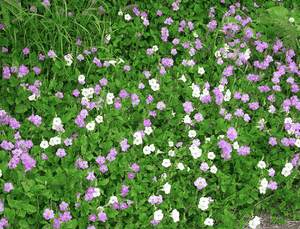
1
Chinese violet flourishes with 4-6 hours of sun each day.
2
Excessive direct sun exposure may lead to leaf scorching in Chinese violet.
3
For best development, position Chinese violet to receive morning sun and afternoon protection from direct light.
Optimal Sunlight Conditions for Chinese Violet
Direct Sun Exposure
While Chinese violet can endure direct sunlight, it's not the most favorable environment for its development. Direct sun exposure means the plant receives unfiltered light for over six hours daily. This can be harsh on its delicate foliage, potentially causing scorching or dehydration. However, if placed in full sun, ensure sufficient hydration and some protection during peak sun hours to minimize harm.
Partial Shaded Areas
Chinese violet thrives in conditions of partial shade. This implies it gets approximately 3-6 hours of direct sunlight each day, typically in the morning when the sun's intensity is lower. Partial shade offers a balanced setting that supports robust growth, vivid blossoms, and reduces the risk of leaf burn and wilting. It particularly flourishes in environments with filtered sunlight.
Filtered Light
Filtered light is also suitable for Chinese violet. This can be achieved by positioning the plant where light is diffused through a canopy or a sheer curtain. Indirect light ensures the plant receives adequate illumination without the danger of direct sun exposure leading to potential damage. Indoor spots near a bright window can provide the necessary light levels without the detrimental effects of harsh sunlight.
Daily Sunlight Requirements for Chinese Violet
Assessing Daily Light Needs
Chinese violet generally requires about 4-6 hours of sunlight daily. This duration ensures the plant has enough energy for photosynthesis and growth while avoiding the risks associated with excessive sun exposure. The key is to balance the light to maintain healthy, green foliage and abundant flowering.
Seasonal Changes in Light Demands
The sunlight requirements of Chinese violet can vary with the seasons. During the spring and summer months, when the sun is strong, morning sunlight and afternoon shade are perfect. In the fall and winter, when sunlight is less intense, it can handle more direct exposure. Adjusting the plant's location throughout the year can help meet its seasonal light needs.
Ideal Locations for Chinese Violet to Receive Sufficient Sunlight
Outdoor Placement Options
When positioning Chinese violet outdoors, select a spot that receives morning sun and is shaded during the hot afternoon hours. Excellent locations include the east side of a structure or beneath a tree that provides dappled sunlight. These spots ensure the plant gets enough light without the risk of overheating and drying out.
Indoor Placement Options
Indoors, place Chinese violet near a window that provides bright, indirect light. East-facing windows are ideal as they offer gentle morning sunlight. If only south or west-facing windows are available, use sheer curtains to soften the intense sunlight and create optimal light conditions for your plant.
Balconies and Patios Considerations
Balconies and patios can be perfect for cultivating Chinese violet if they offer the correct light conditions. A north-facing balcony might provide too little light, while a west-facing one could become too hot. An east-facing or partially shaded balcony strikes a good balance, offering adequate morning light and cooler, shaded afternoons.
Indicators of Sunlight-Related Issues in Chinese Violet
Symptoms of Excessive Sunlight
If Chinese violet receives too much sun, you'll notice that the leaves might begin to lighten or display brown, crispy edges. This indicates sunburn. Overexposure can also cause the plant to wilt due to excessive water loss. If you observe these signs, consider moving the plant to a more shaded area or providing additional water to combat dehydration.
Symptoms of Insufficient Sunlight
When Chinese violet doesn't receive enough sunlight, its growth may slow, and it might produce fewer flowers. The leaves can become pale, and the stems may stretch as the plant reaches towards the light. If you see these symptoms, try relocating the plant to a brighter spot to ensure it gets the necessary light for healthy growth.
Addressing Sunlight-Related Stress
If your Chinese violet exhibits signs of sunlight stress, there are measures you can take to rectify the situation. For too much sun, provide some shade during peak hours and increase watering to keep it hydrated. For too little sunlight, gradually move the plant to a brighter location to avoid shocking it with a sudden change. Regularly monitor the plant and adjust its position as needed to find the perfect balance of light.
Common Questions Regarding Chinese Violet and Sunlight
Can Chinese Violet Withstand Direct Sun?
Yes, Chinese violet can endure direct sun, but it prefers partial shade. When exposed to full sun, ensure the plant is adequately watered and gets some relief during the hottest part of the day to prevent sunburn and wilting.
What Occurs if Chinese Violet Gets Too Much Shade?
If Chinese violet receives too much shade, it may struggle to grow and produce fewer blooms. The plant can become leggy as it stretches toward the light, and the leaves might lose their vibrant color. Ensuring it gets 4-6 hours of light daily can help prevent these issues.
Does Chinese Violet Require Different Sunlight Levels Seasonally?
Yes, Chinese violet may need varying sunlight levels depending on the season. During the warmer months, morning sun and afternoon shade are ideal. In cooler seasons, the plant can tolerate more direct sunlight. Adjusting its placement according to seasonal light changes can help maintain optimal health and growth.



